
When to Visit Australia: A Region-by-Region Guide
Australia isn't one destination with one season. It's several trips, each with its own window, and the country is vast enough that timing shifts dramatically from one region to the next. Knowing which region wants which month is what separates a good Australia trip from a great one, and it's the reason this country rewards more than a single visit.
I'm Australian-born and lived and worked there before settling in Vancouver, and I've spent years since returning, most recently three weeks across Sydney, Port Douglas, and Cairns. I'm also an Australia Certified Specialist, which isn't incidental either. Timing advice for a country this size only holds up if it comes from someone who's actually moved through it region by region, season by season, and what follows are some of the experiences that have shaped how I think about that timing.
When should I visit Southern Australia? (November to April)
The South offers so many possibilities for exploration, and while these are year-round destinations, the summer months bring their own unique opportunities.
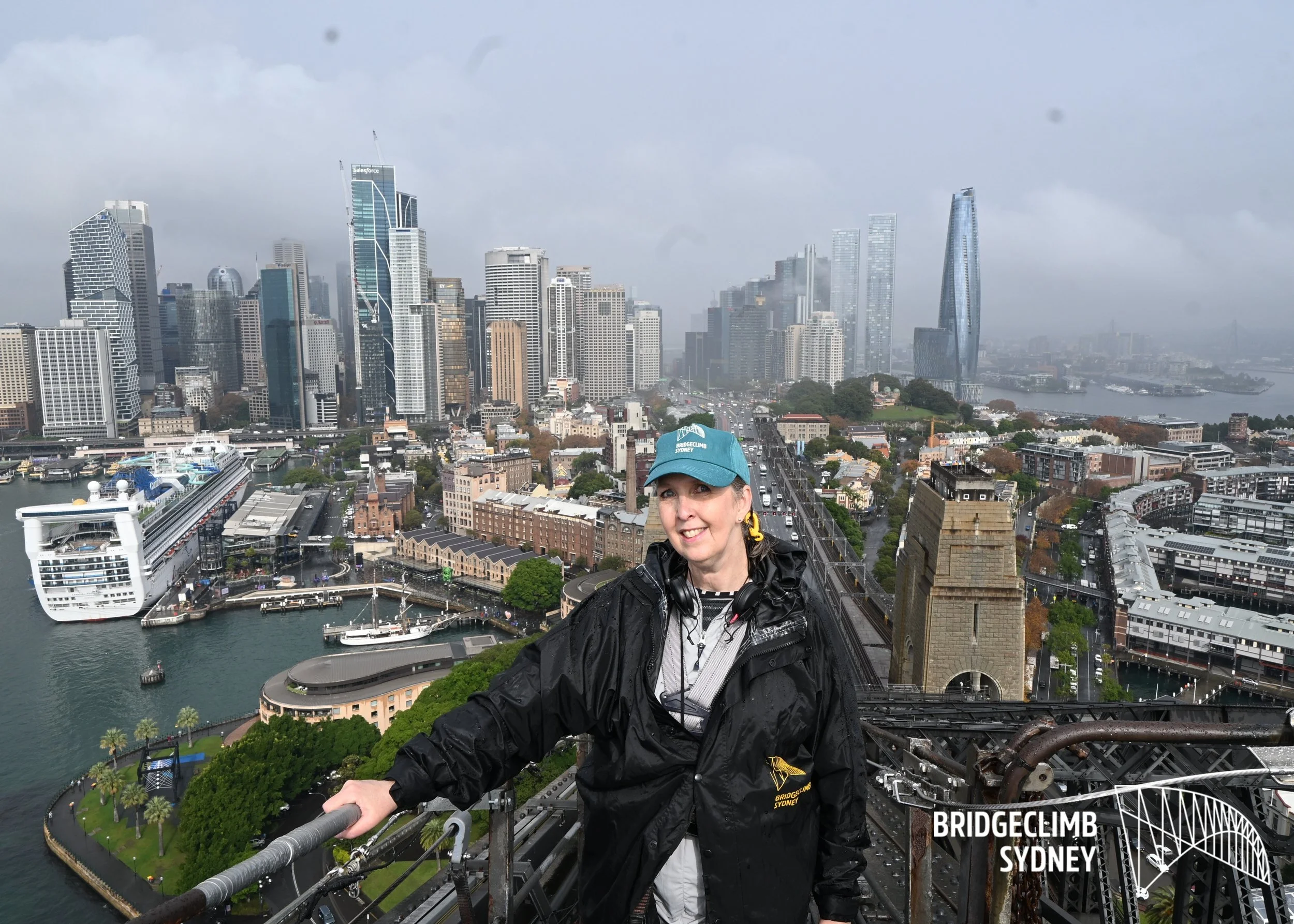
In New South Wales, Sydney is a vibrant, culturally rich city that fully embraces its harbourfront setting. Long stretches of harbourside walks connect neighbourhoods, ferries offer some of the easiest sightseeing excursions anywhere, and the city's restaurant and market scene rewards the curious at every turn: the Sydney Fish Market for fresh catches, The Rocks markets for artisans, the Haymarket laneways for Japanese souffle pancakes and Hong Kong street food. For a different perspective on it all, the Harbour Bridge Climb takes you 134 metres above the water, with the Opera House, the city, and the harbour's many bays laid out below, and BridgeClimb offers different climb options depending on comfort level. Inland, the Blue Mountains are an easy weekend away from the city, and riding the historic steam train through them adds a slower, more atmospheric way to take in the scenery before continuing on to the Jenolan Caves, one of the oldest and most spectacular cave systems.
Victoria brings lush mountain passes, ancient forests, and a coastline built for slow exploration. I've driven the passes around Healesville, past ancient tree ferns, camped at Wilsons Promontory, and taken in the full length of the Great Ocean Road, where Otway National Park has genuinely wild koalas dozing in the eucalypts. Not far from Melbourne, Phillip Island adds one more highlight: the penguin parade, hundreds of little penguins coming ashore at dusk, one of those quietly magical experiences that stays with you long after the trip ends.
South Australia's Adelaide pairs a rugged coastline with artisanal food and wine, the wildlife of Kangaroo Island, and the cellar doors of the Barossa Valley, where I've spent time tasting my way through the region myself.
Together, these are the kind of details I build into itineraries for clients who want more than the postcard version of this season.
When should I plan a Sydney and Hunter Valley trip? (May to October)
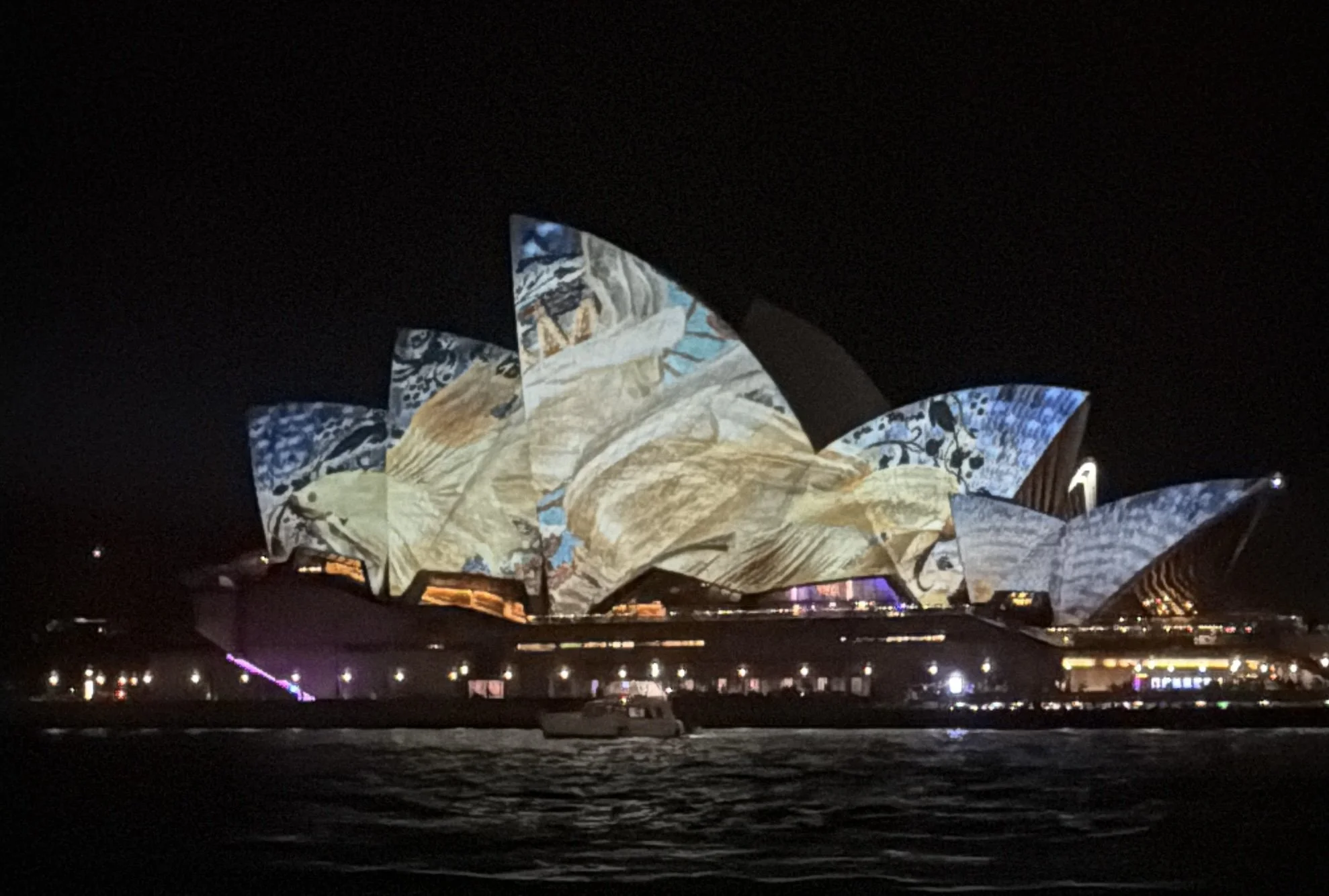
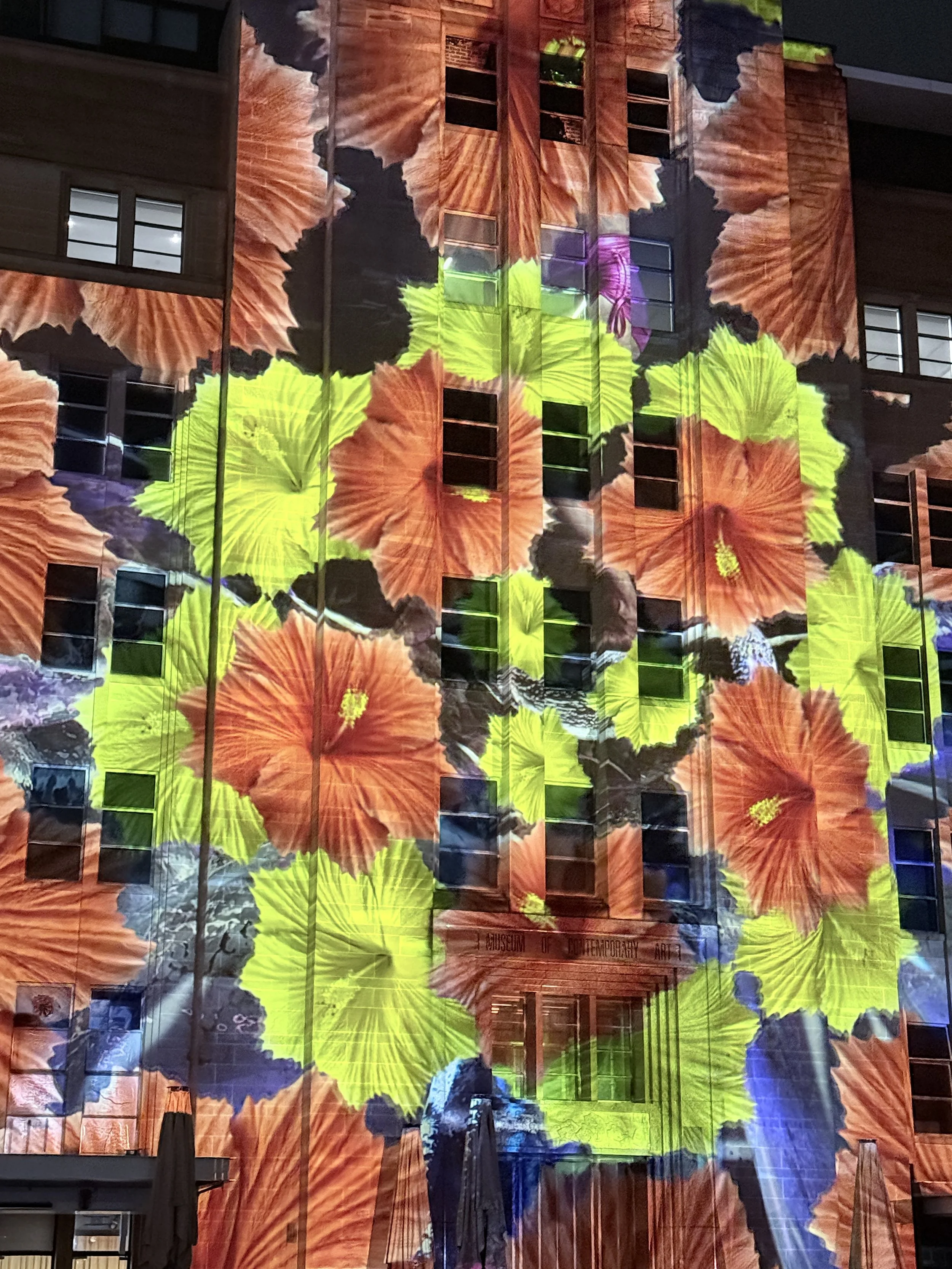
Sydney shifts into its cooler-weather personality here, offering a different but equally compelling version of the city, and it's a season full of activities that pair naturally with one another. Vivid Sydney, the light and music festival that transforms the city itself into a canvas: the Opera House, laneways, building facades, all lit up in projections that shift through the night. The free Vivid Light Walk connects Circular Quay, The Rocks, Barangaroo, and Darling Harbour into one 6.5-kilometre route worth walking early in the trip just to get oriented, and Vivid Fire Kitchen at Barangaroo Reserve adds a food dimension most visitors don't expect: flame-cooked dishes, live demos, and chef talks, also free.
My own recent trip to Sydney was timed with Vivid, and with more time, would have paired beautifully with a few nights revisiting the Hunter Valley, a region I've returned to many times over the years for its mid-harvest experiences. One itinerary, two completely different sides of New South Wales: city spectacle and quiet vineyard afternoons, without fighting the calendar.
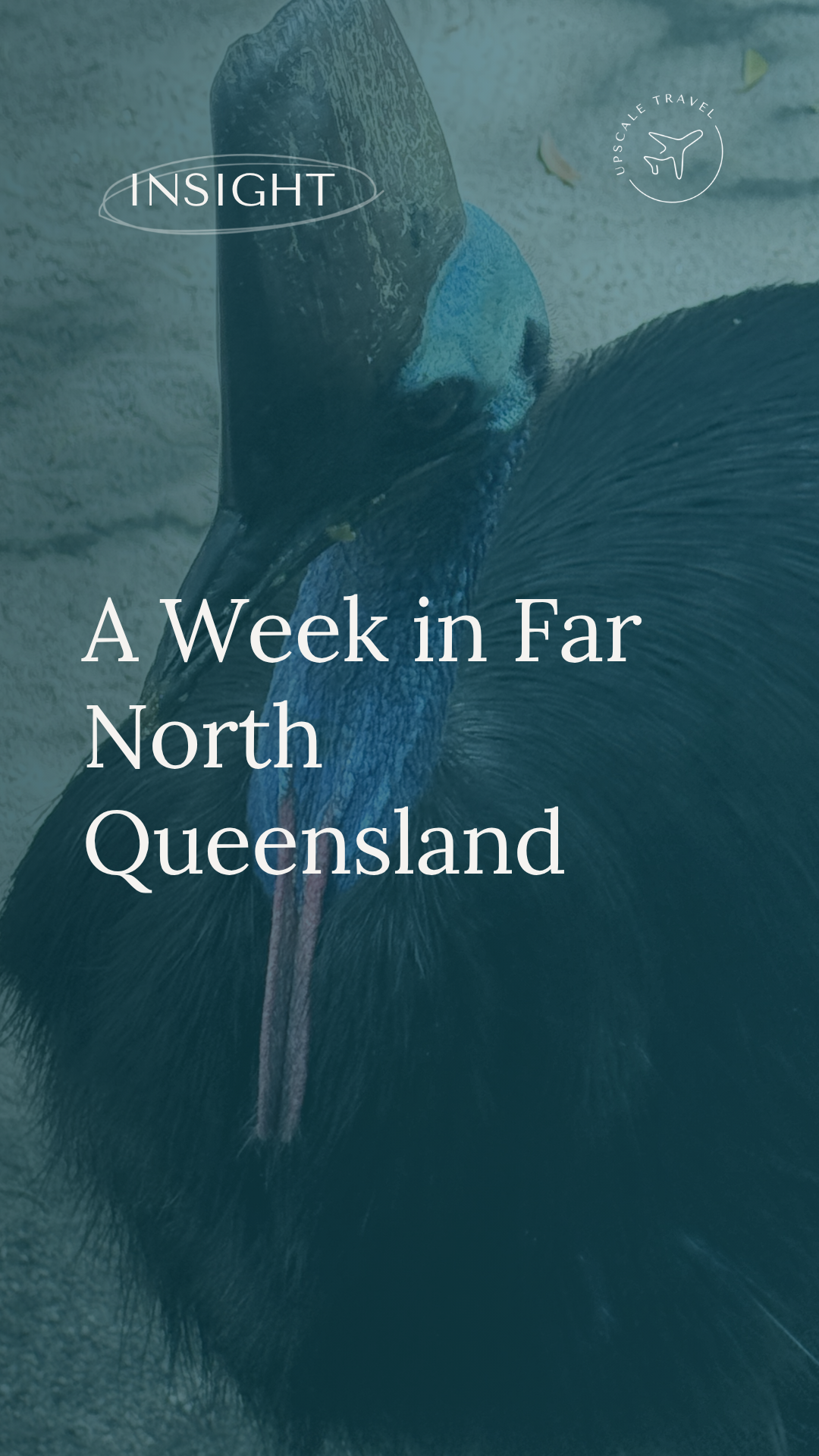
When should I visit the Great Barrier Reef and Far North Queensland? (May to October)
This is dry-season territory, and it matters. Outside the wet season, the Great Barrier Reef shows up differently: clearer water, better visibility, calmer conditions for getting in.
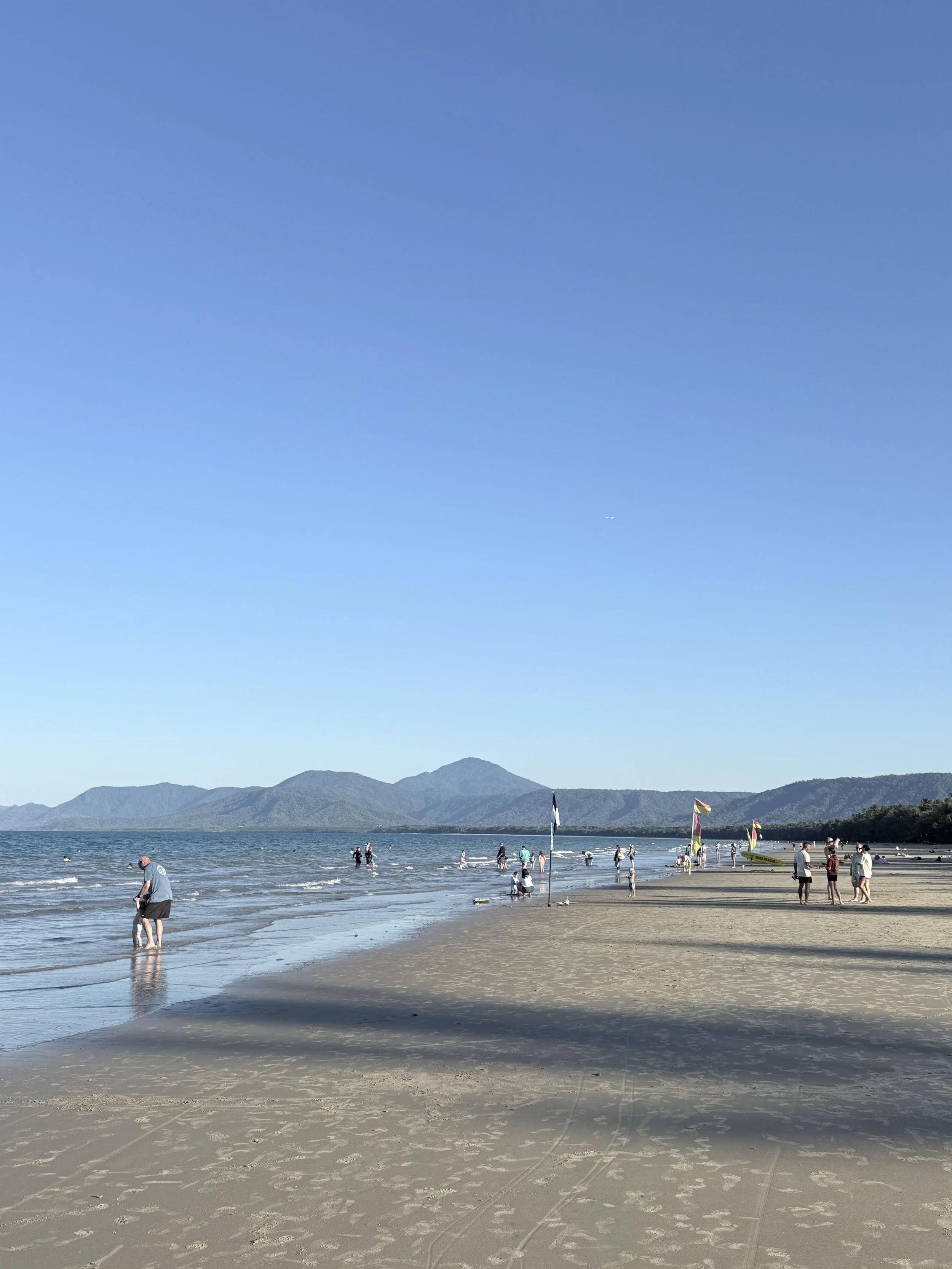
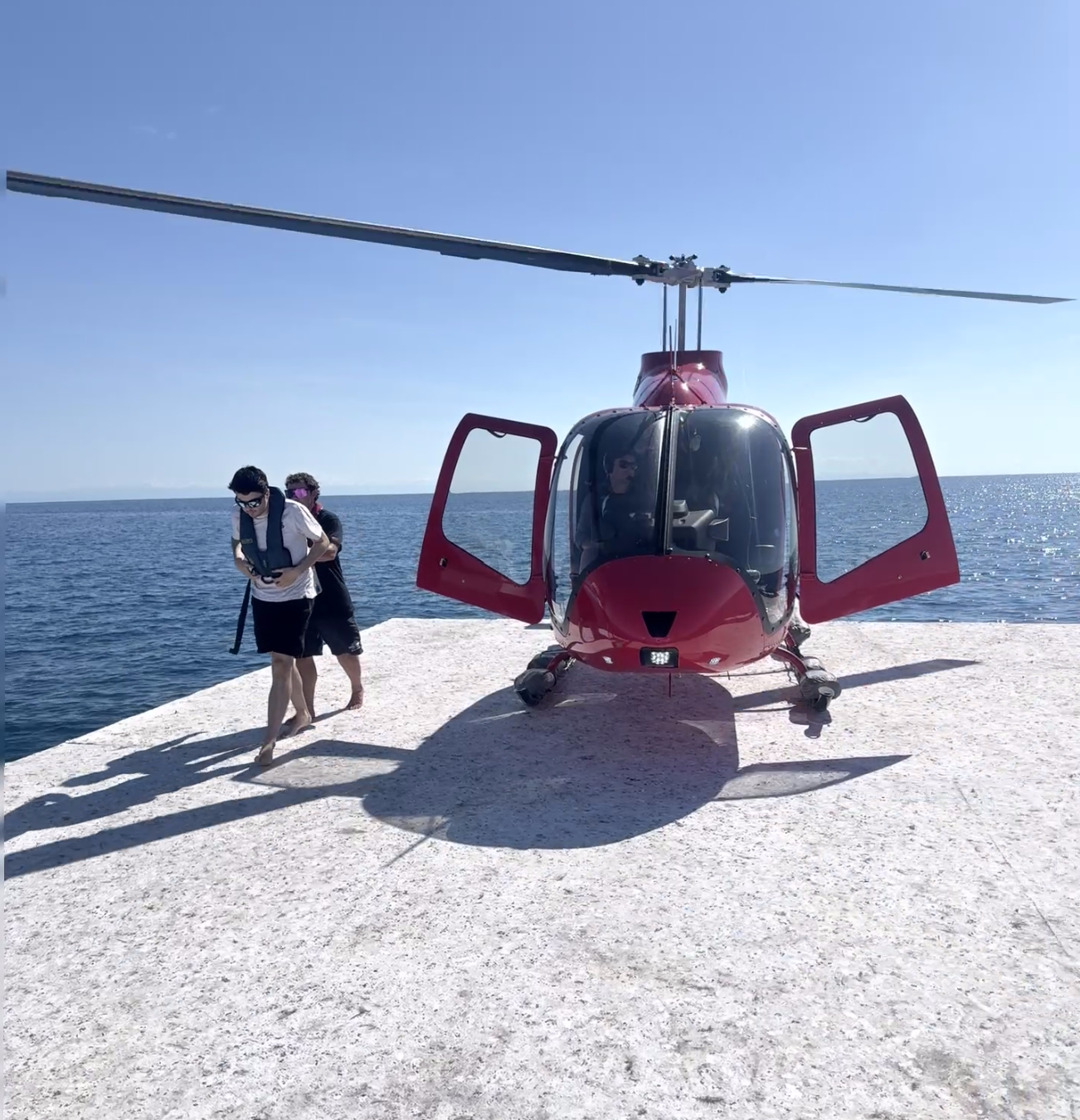
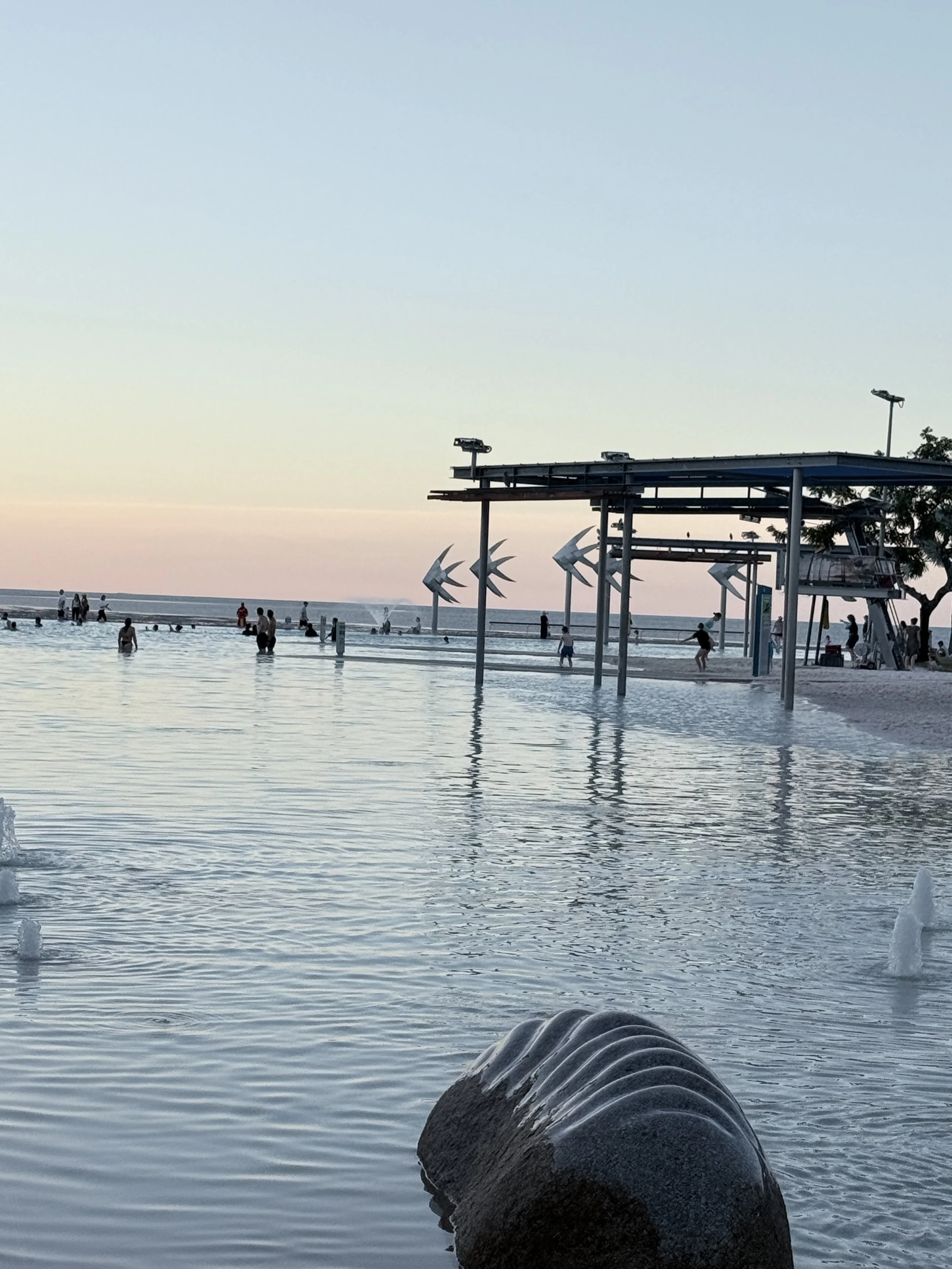
I've now been out to three different reef sites across my visits, and on this trip alone, two different operators took me to two of them, both worth knowing. ABC Reef Safaris runs a purpose-built vessel with a marine biologist on board, which changes what you actually understand about what you're looking at, including, on my trip, a reef shark nursery tucked beside a sand island most visitors never hear about. Down Under Cruise & Dive's Evolution takes a different approach, built for every comfort level from first-time snorkellers to intro scuba. I stayed at the Peninsula Boutique Hotel in Port Douglas, minutes from the Daintree, and at the Shangri-La The Marina in Cairns, right at the end of the Esplanade and steps from the Reef Fleet Terminal.
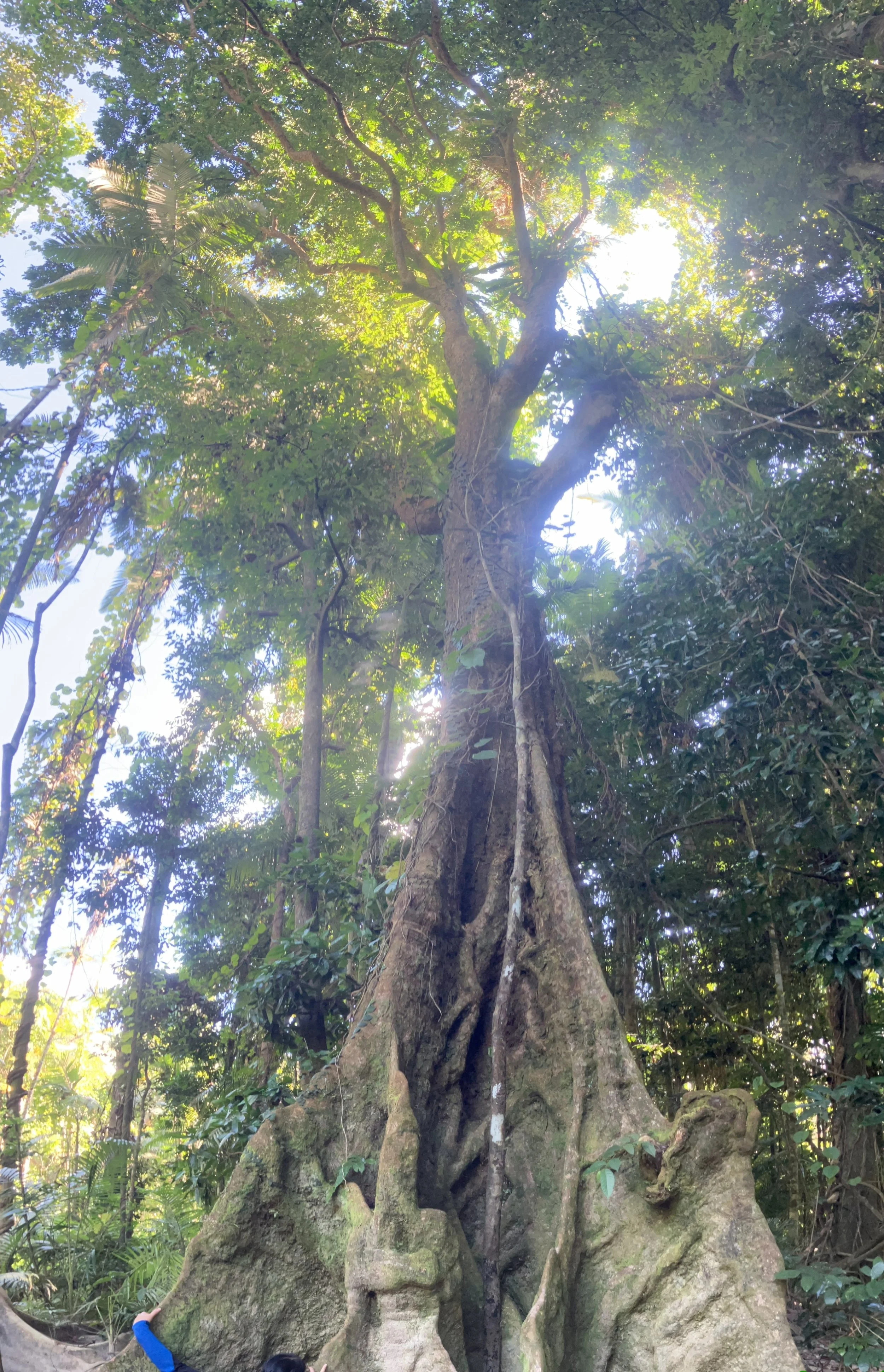
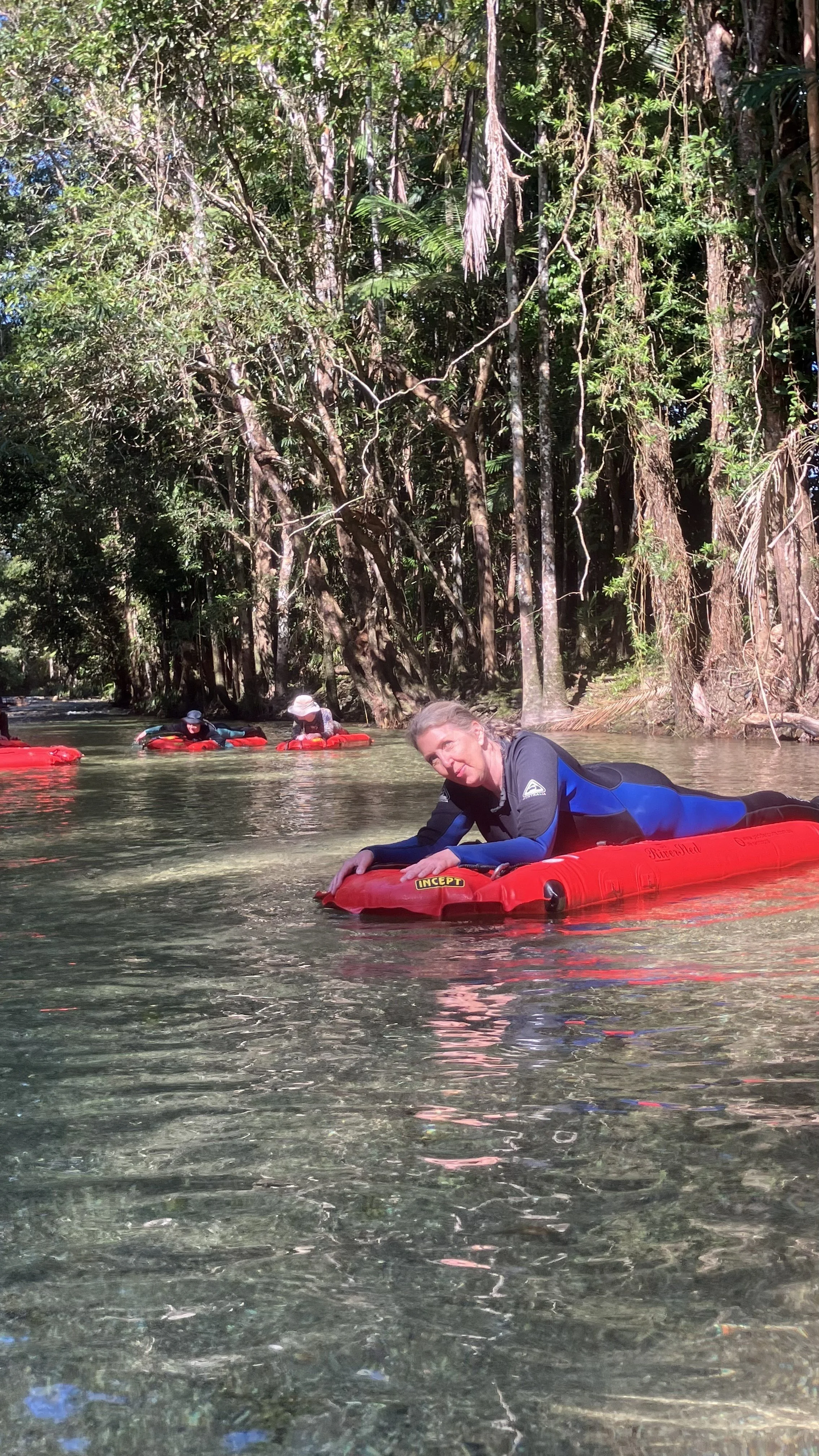
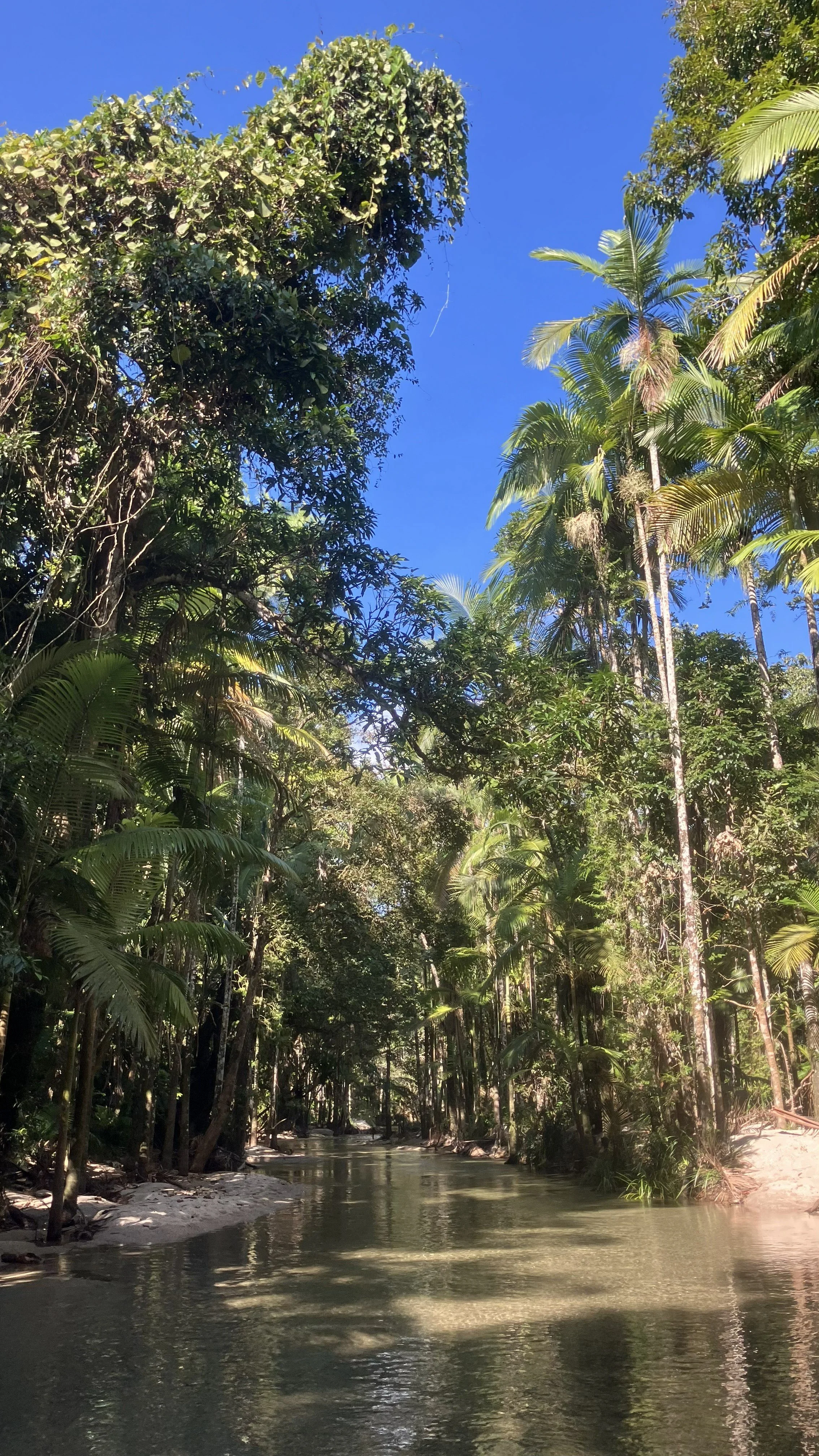
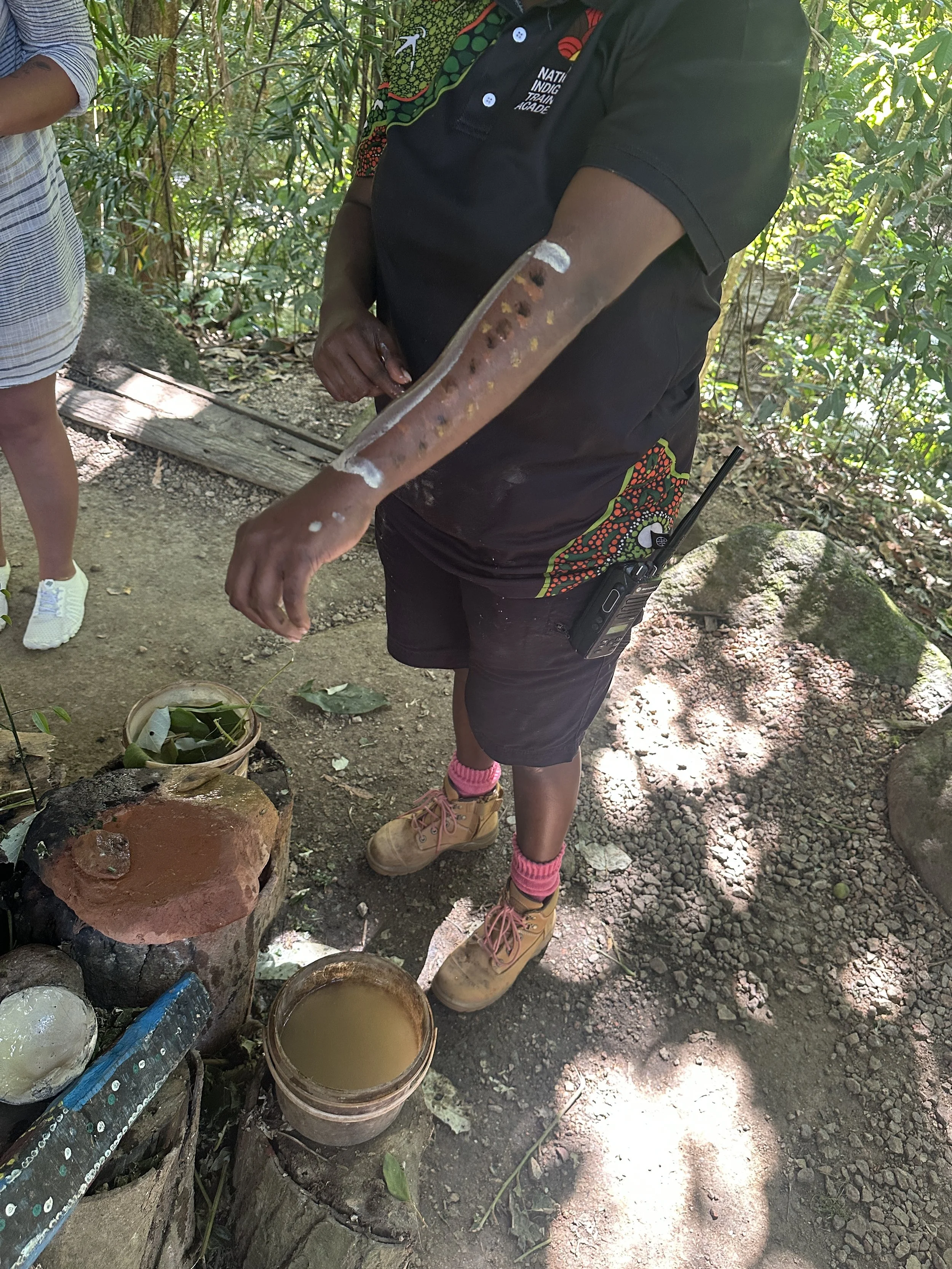
The Daintree deserves its own time, not just a drive-through. I spent a day there with an experienced guide, drifting the Mossman River in a wetsuit rather than walking beside it, pausing in the cool, crystal-clear water to learn about the rainforest's mycelium networks and the ancient buttress roots holding it all together. The day included a smoking ceremony and presentations led by a Kuku Yalanji guide, along with a walk through both women's and men's traditional spaces. It's a completely different register from the reef: slower, older, and led by people whose connection to this land goes back further than the rainforest itself.
Further south, K'Gari (Fraser Island) belongs in this same dry-season window, the world's largest sand island, with its own rhythm entirely separate from the reef. And in the Whitsundays, Hamilton Island offers yet another side of the season entirely: calm turquoise water, easy island-hopping, and some of the best sailing conditions in the country. This region is very much a live thread for me: I was back in Queensland again recently, which is exactly why the recommendations here keep getting sharper rather than staler.


When should I visit Uluru and the Red Centre? (May to September)
Uluru in cooler light is a different experience than Uluru in the heat. The desert colours read more vividly, and a sunrise walk before the tour buses arrive is worth building a whole morning around. This is dry-season country in the true sense: manageable days, cold nights, and skies worth staying up for.
A visit here can include far more than the sunrise itself. Field of Light, Bruce Munro's installation of over 50,000 solar-powered stems spread across the desert floor, is timed for dusk into dark and pairs naturally with dinner under the stars at Sounds of Silence, where the meal pauses for a guide to point out constellations most visitors have never had explained to them. Kata Tjuta, the neighbouring rock formation, has its own sunrise walk through the Valley of the Winds, a quieter counterpart to Uluru itself and one I've routed for clients who want the Red Centre experience without the crowds concentrated at the more famous rock. The base walk around Uluru is a full loop on foot, close enough to see the texture and waterholes that don't read from a distance, and an Anangu-guided cultural walk adds context on bush tucker, rock art, and the significance of specific sites that a self-guided visit would miss entirely. I've built all of these into Red Centre itineraries for clients, and they're the details that tend to turn a quick Uluru stop into the highlight of the whole trip.
Frequently Asked Questions
What's the best time to visit Australia overall? There isn't a single best time. It depends entirely on which regions and experiences you want to prioritize.
What should I expect physically from the Daintree river float and reef snorkelling?
The Mossman River float is a beautiful experience, but it's not a passive one: you're carrying your float across natural terrain, over tree roots, and through the riverbed itself, which mixes rocks, sand, and flowing water underfoot. It's manageable for older children, but if mobility is a concern for anyone in your party, it's worth confirming suitability.
Reef snorkelling is more accessible, but the operators do differ. ABC Reef Safaris provides flotation aids (pool noodles or snorkelling vests) and wetsuits, but they do require strong swimming ability. Down Under Cruise & Dive is set up more for families and less confident swimmers, with flotation devices for younger children and the option to snorkel alongside a guide for extra security and comfort.
Can I see the Great Barrier Reef and Uluru on the same trip? Yes. Both are at their best in the same window, roughly May through September, which makes them a natural pairing if you're planning one multi-region trip rather than several.
Is Australia worth visiting more than once? I'd say it's built for it. The distances and seasonal splits mean no single trip covers the country well, and most of my clients who've been once are already planning their second visit to a different region entirely.

Do I need a travel advisor to plan a multi-region Australia trip? If you're covering more than one region, yes. That's exactly where a specialist advisor earns their place. The seasons, the distances, and the routing between regions are where DIY plans usually go wrong, and getting it right is the difference between a trip that flows and one that fights you the whole way. I've lived it and planned it, and I'd rather build it properly with you than have you learn the hard way.
Ready to start mapping out your own Australia itinerary? Ask me about planning your Sydney, Great Barrier Reef, or Red Centre trip.
If You Enjoyed This, You Might Also Like
