
Power Bank Rules for Flying: What to Know
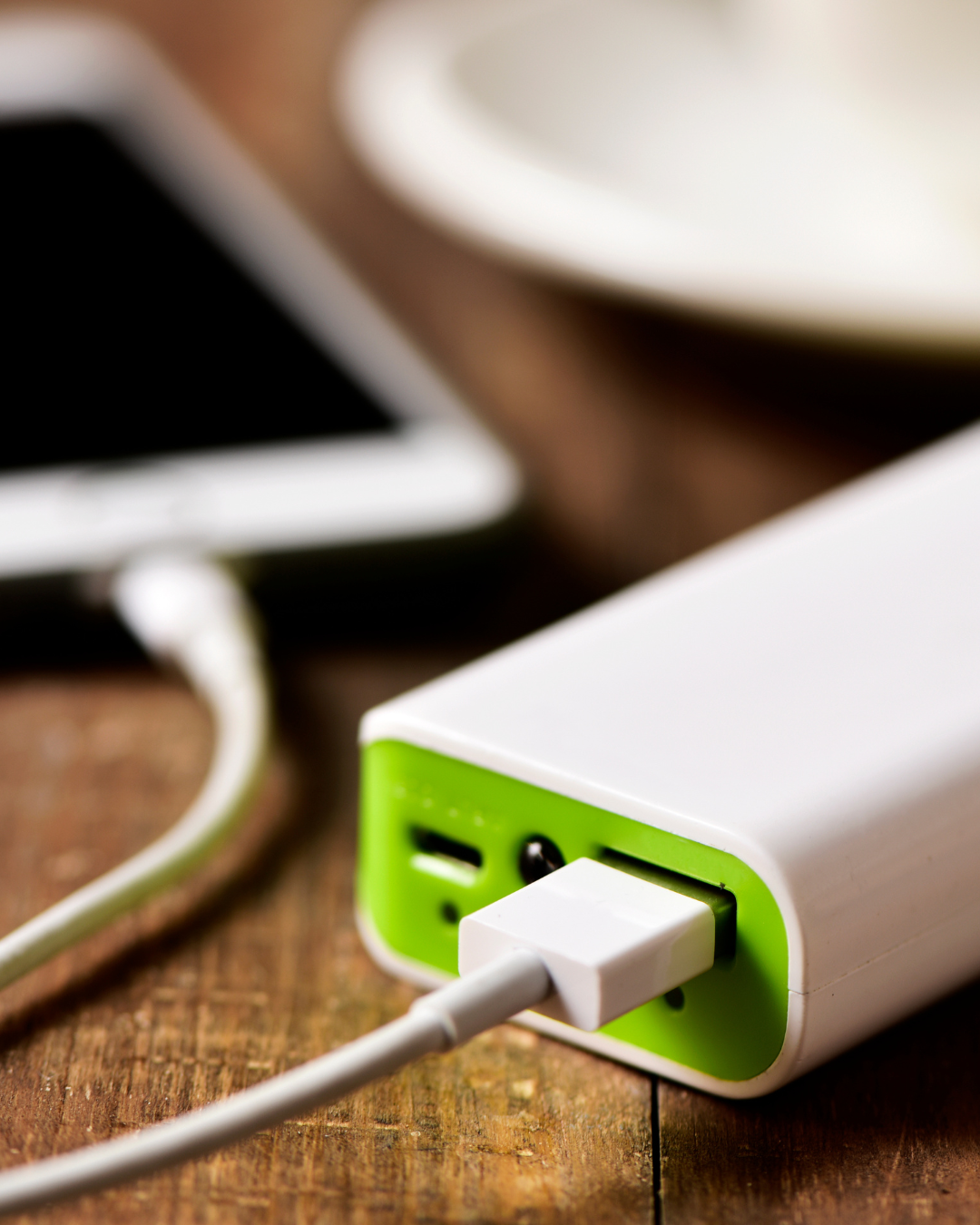
Power banks (also called portable chargers, battery packs, or lithium-ion power banks) are allowed in carry-on luggage on almost every airline, but they come with wattage limits, a two-per-passenger cap starting January 2027, and rules against charging them onboard. Here's what to pack and what to expect at security and on the plane.
Can I bring a power bank on a plane?
Yes. Power banks are permitted in carry-on bags on virtually all commercial flights. The one firm rule across every airline: they must stay in your carry-on. They are never allowed in checked luggage, because they contain lithium-ion batteries that airlines classify as a fire risk in the cargo hold.
What are the wattage limits for power banks?
Under 100 Wh: Generally allowed without any special approval.
100 to 160 Wh: May be allowed, but usually requires pre-approval from the airline.
Over 160 Wh: Not permitted on passenger flights.
Wattage is usually printed directly on the power bank. If you can't find it, check the manufacturer's website before you pack, particularly for larger banks bought for laptops or camera gear.
What's changing for power banks in 2027?
Starting January 1, 2027, the International Air Transport Association (IATA), the trade body that sets global airline guidance, is introducing three new rules:
Power banks cannot be recharged while onboard the aircraft.
Power banks cannot be used to charge a phone, tablet, or other device during the flight.
Each passenger is limited to a maximum of two power banks.
These changes come after a rise in lithium battery incidents reported by aviation authorities. The existing rules on wattage and carry-on-only storage remain unchanged.
Do airlines have stricter power bank rules than IATA?
Some do. A few examples worth knowing before you fly:
American Airlines: Limits passengers to two power banks under 100 Wh each. They can't go in the overhead bin and must stay visible and accessible, such as in your seatback pocket.
Emirates: Allows just one power bank under 100 Wh. It cannot be used to charge a device or recharged onboard, and it must stay under the seat or in the seat pocket, not the overhead bin.
EVA Air: Prohibits using or charging a power bank onboard altogether.
Airline-specific rules can be stricter than the IATA baseline but not more permissive. The IATA rules apply the same way to domestic and international flights, so it's the airline, not the route, that determines whether you're facing extra restrictions. Worth checking your carrier's policy directly, especially if you're connecting between multiple airlines on one trip.
Can I put a power bank in checked luggage?
No. This is the one rule that hasn't changed and isn't likely to. Power banks must travel with you in the cabin. If your carry-on gets gate-checked, remove the power bank first and keep it with you.
FAQ
Do the new 2027 rules apply to phone cases with built-in batteries? Battery cases are generally treated the same as power banks for wattage and carry-on rules, though onboard charging restrictions may vary slightly by airline. Check with your carrier if you're travelling with one.
Can I bring a power bank for my laptop? Yes, as long as it falls within the wattage limits above. Laptop power banks tend to run higher in watt-hours, so check the rating before you fly, especially if it's close to the 100 Wh or 160 Wh thresholds.
Will airport security take my power bank if it's within the rules? No. A compliant power bank in your carry-on isn't confiscated. Security may ask to see it separately at the checkpoint, so keep it somewhere easy to reach.
Do these rules apply to power banks I'm not using during the flight, just packed away? Yes. The carry-on-only rule and wattage limits apply whether or not you plan to use the power bank during the flight. Only the new charging restriction is specific to onboard use.
Is there a difference between domestic and international flights? No. The IATA rules apply the same way regardless of route. What varies is the airline, not whether the flight is domestic or international. Some carriers enforce stricter limits than the baseline on every route they fly, so checking your specific airline's policy is more useful than checking whether your flight is domestic or international.
