
Rhine vs Danube River Cruise: Two Rivers, Two Completely Different Experiences
I get asked this constantly. Having sailed both, here's what I tell my clients.
If you're researching European river cruises, at some point you'll face the question: Rhine or Danube? It's one of the most common things clients ask me, and honestly, it's not a question with a single right answer. These two iconic rivers offer genuinely different experiences — different scenery, different cultures, different paces — and the one that's right for you depends entirely on what you're looking for.
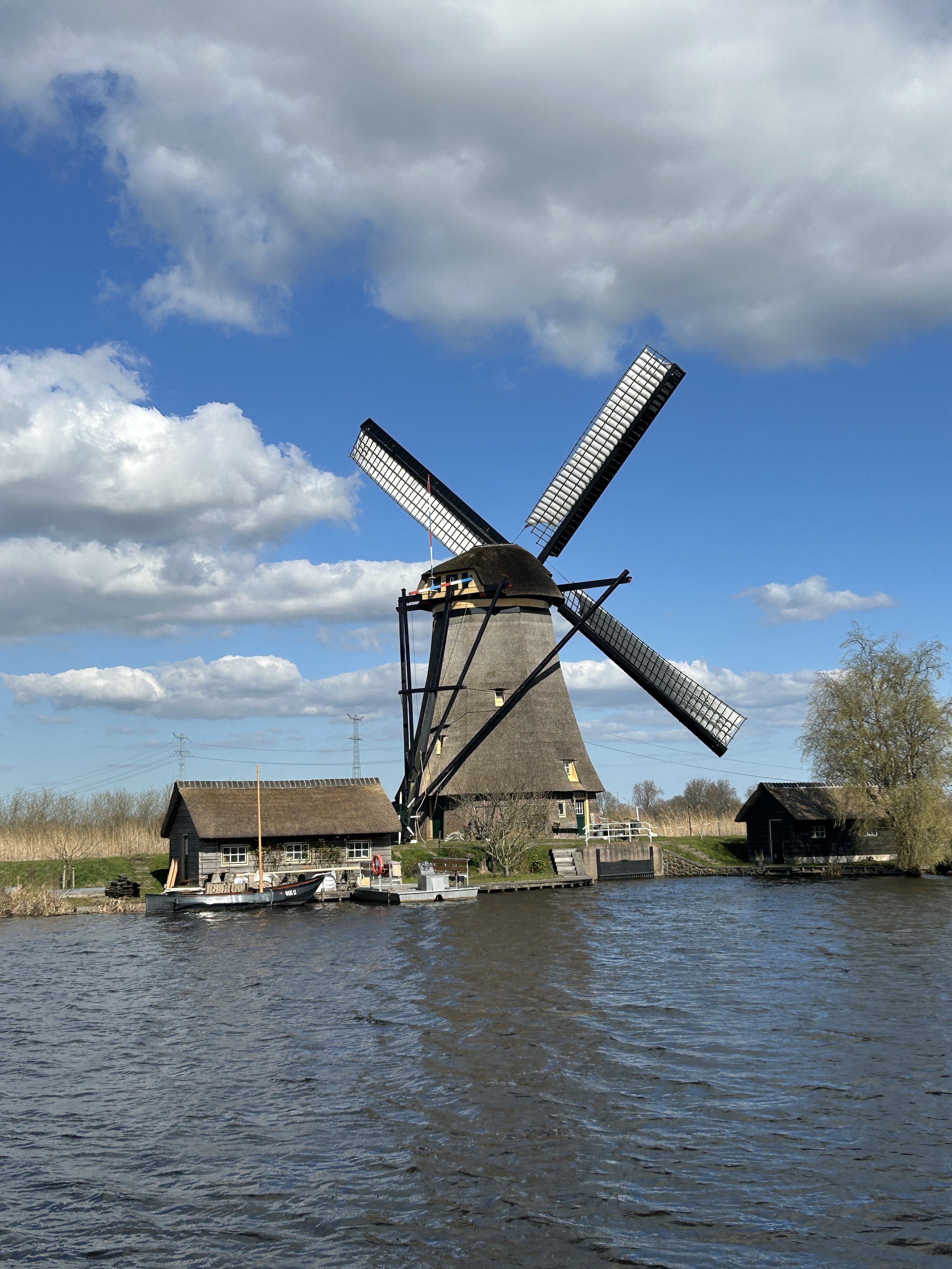
I've sailed both. The Rhine in March, arriving just in time for tulip season in the Netherlands. The Lower Danube in May, from Bucharest to Budapest — a route that took me somewhere I never expected to fall for as hard as I did. Here's what matters when you're trying to decide.
The Rhine: Storybook Europe at Its Most Beautiful
There's a reason the Rhine is often recommended as the perfect introduction to river cruising. It delivers exactly what most people picture when they imagine drifting through Europe — and it does it beautifully.
Keukenhof and Amsterdam: The Perfect Beginning
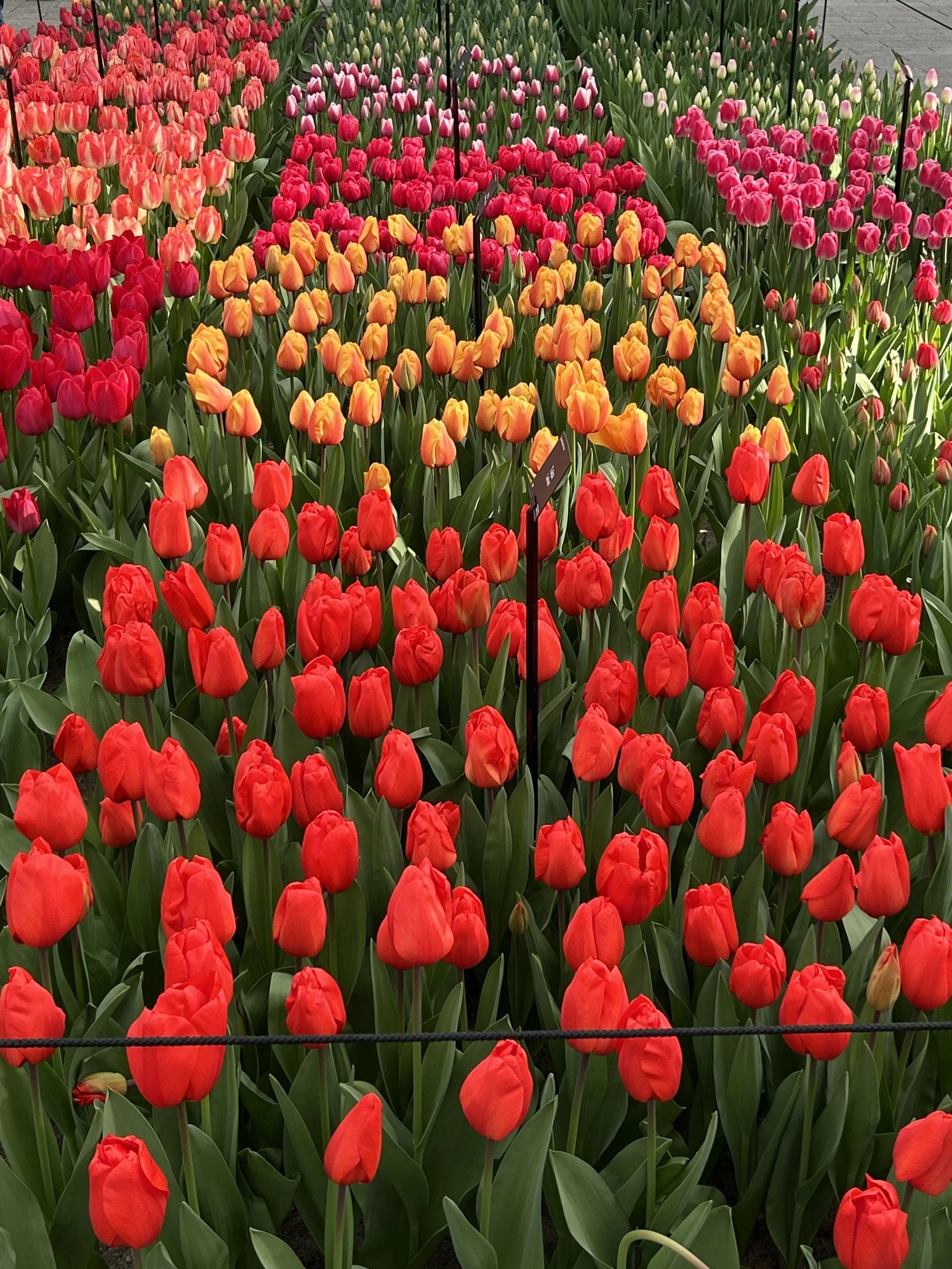
Sailing in March meant the cruise began with something extraordinary: a visit to Keukenhof Gardens outside Amsterdam during tulip season. If you've never stood in the middle of millions of blooms laid out across manicured grounds in every shade imaginable, it's genuinely difficult to describe. It was one of those travel moments that exceeds expectations, which doesn't happen as often as you'd like.
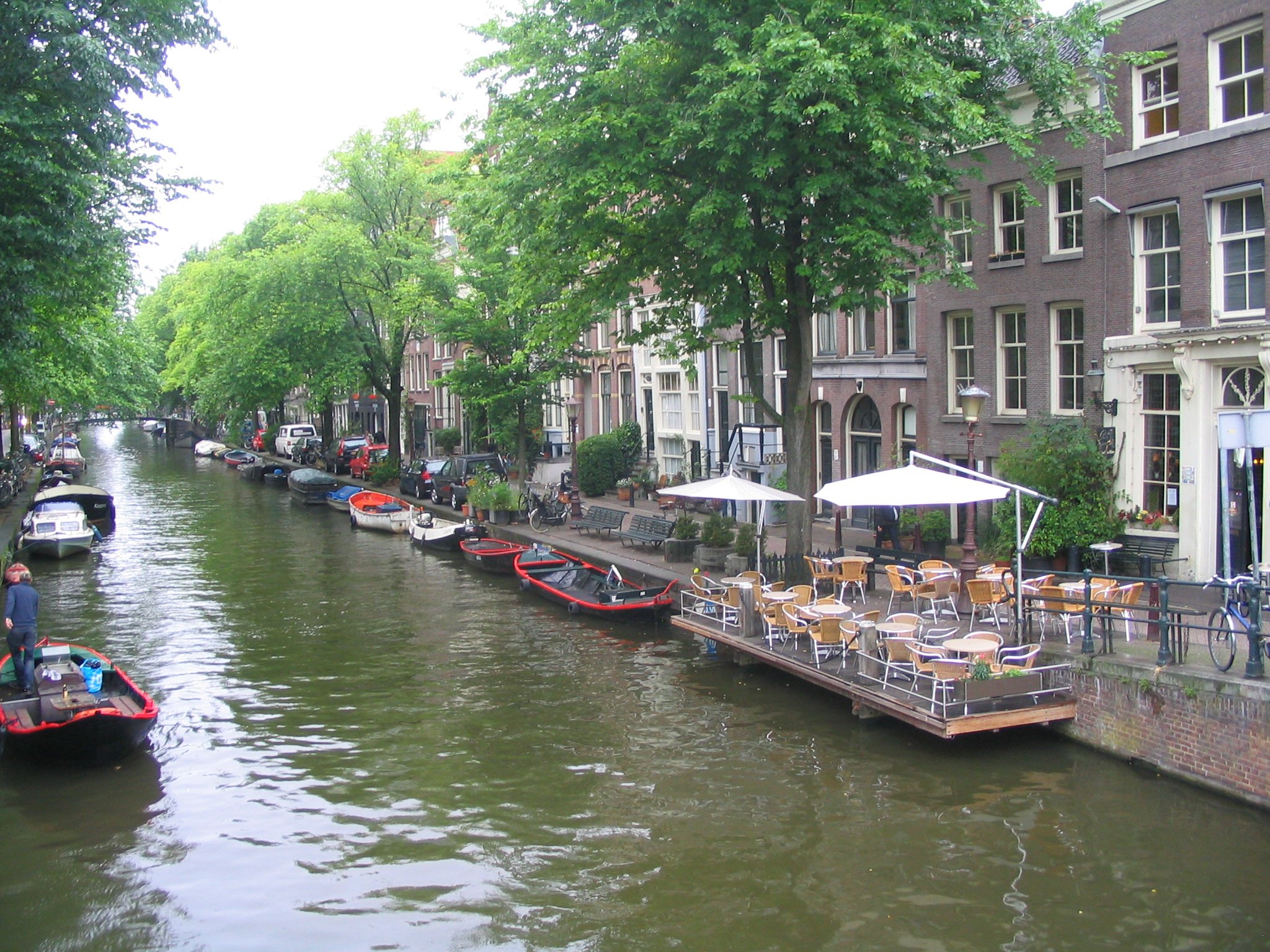
Amsterdam and the surrounding area itself sets the tone perfectly — canals, bicycles, gorgeous gabled architecture, and a city that feels both historic and alive. As a starting point for a river cruise, it's hard to beat.
The Rhine Gorge: Scenery That Makes You Stop Mid-Conversation
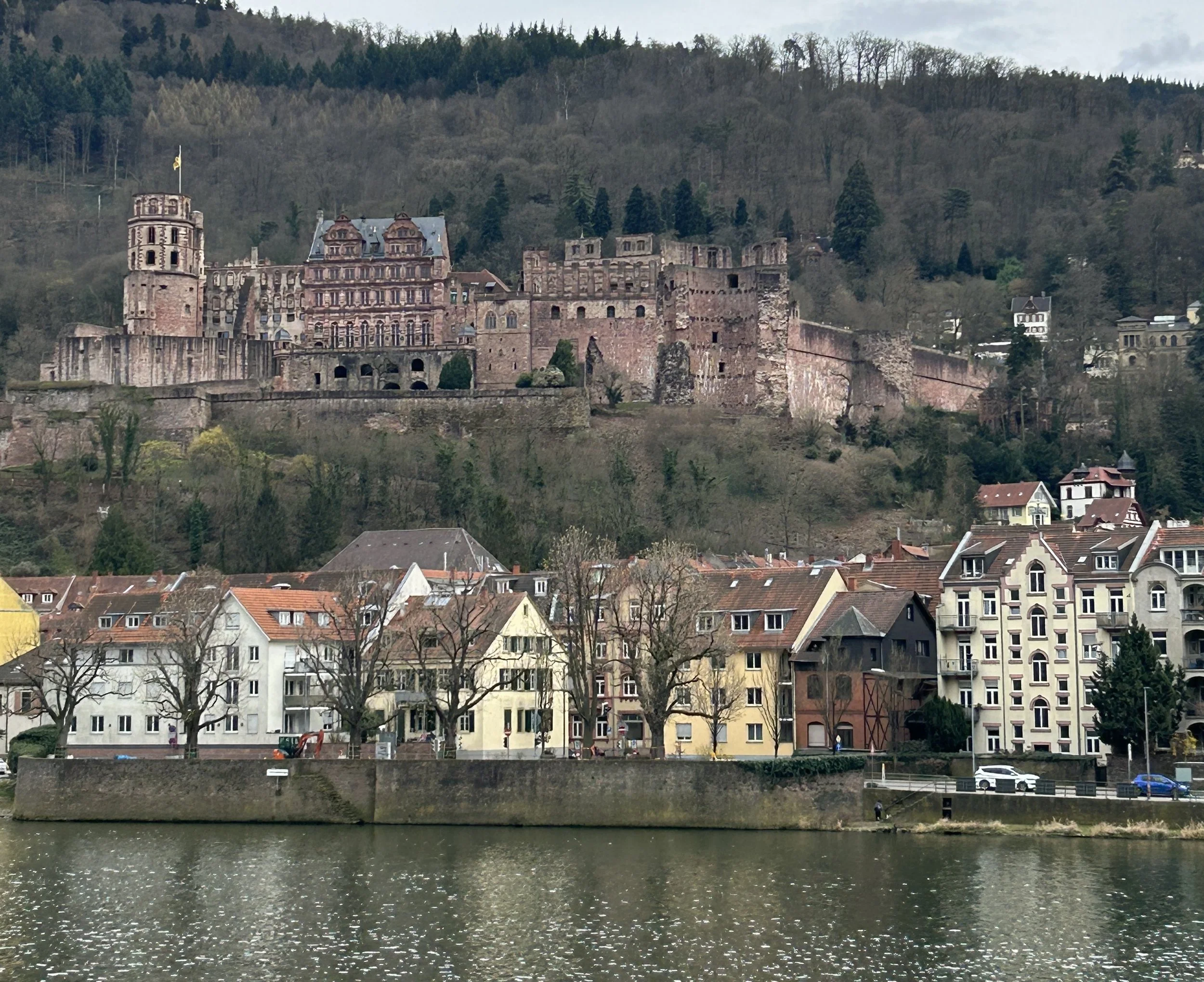
Sailing through the Rhine Gorge is the moment when everyone on the sun deck goes quiet. Hilltop castles appear around every bend, steep vineyards cling to the slopes above you, and small villages sit nestled at the water's edge as if nothing has changed in centuries. It's cinematic in a way that feels almost unreal.
This stretch alone is worth choosing the Rhine for. If scenery is what moves you, you'll be reaching for your camera constantly.
Colmar and Strasbourg: The Alsace Highlight
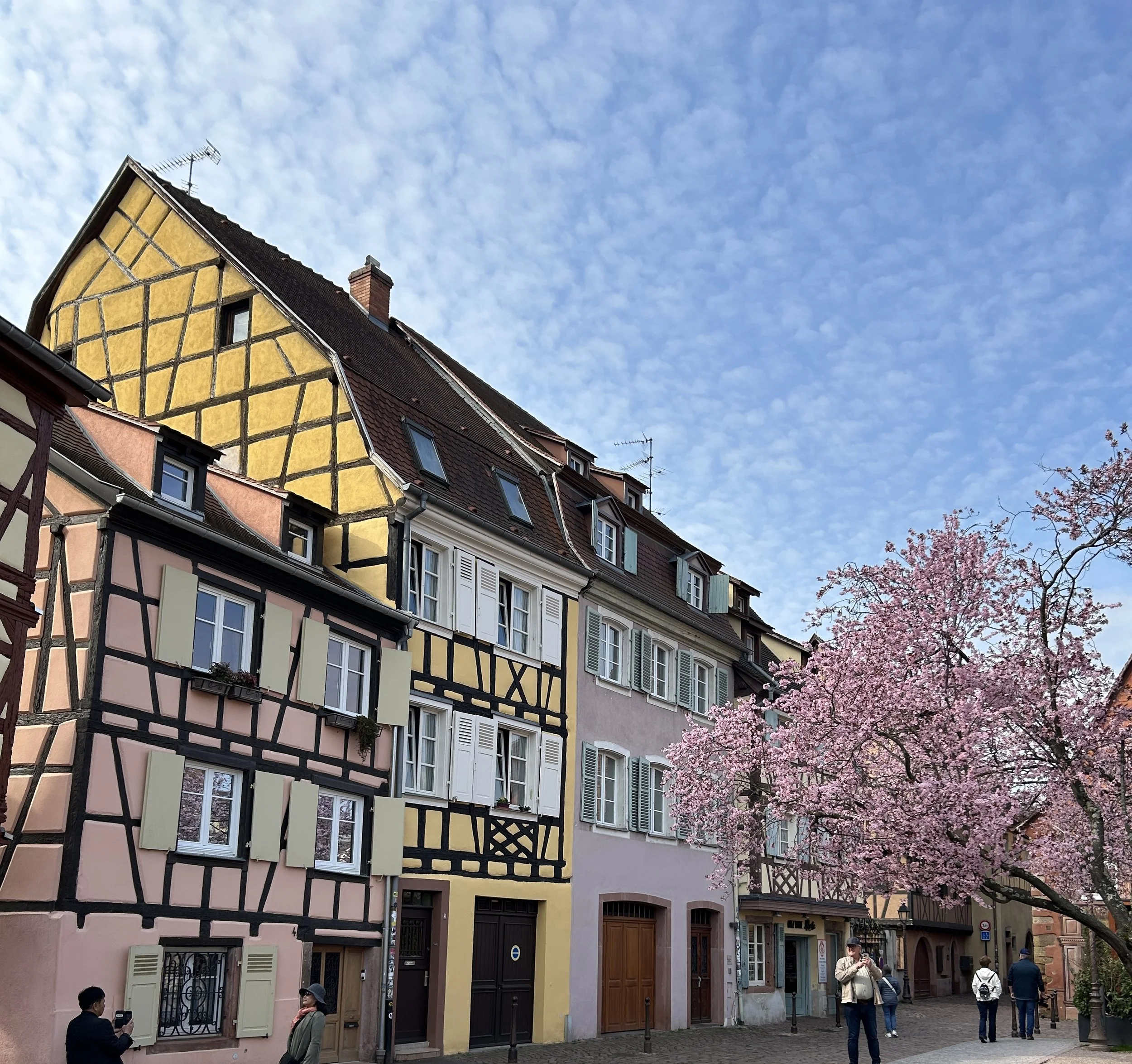
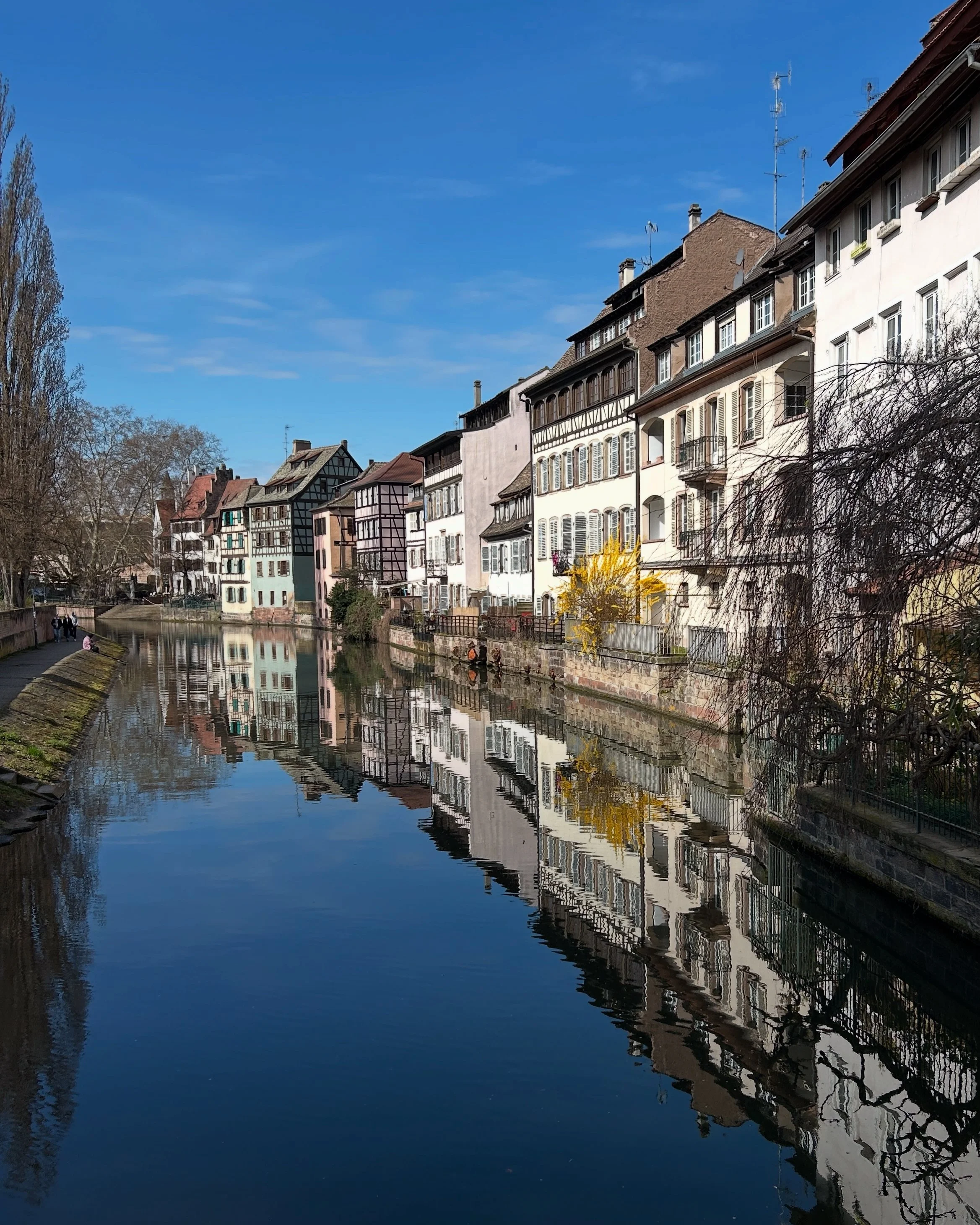
For me, the highlight of the Rhine was the Alsace region — specifically Colmar and Strasbourg. These towns straddle the French and German border in a way that creates something entirely their own: half-timbered houses painted in soft pastels, canals lined with flower boxes, cobbled streets that feel intimate and lived-in. Colmar in particular is one of the most charming places I've ever wandered.
Strasbourg offers a similar magic at a larger scale — its cathedral is extraordinary, and the Petite France district rewards slow exploration.
If you're considering the Rhine specifically with AmaWaterways, I've written a detailed review of the Amsterdam to Basel itinerary that covers staterooms, dining, excursions, and who it suits best.
The Lower Danube: Europe's Best Kept Secret
Before I sailed the Lower Danube, I assumed it would be the less interesting choice. The classic Upper Danube — Vienna, Bratislava, Budapest — gets all the attention. But the Lower Danube, from Bucharest to Budapest, surprised me more than almost any trip I've taken.
Romania: Where the River Still Feels Like a Discovery
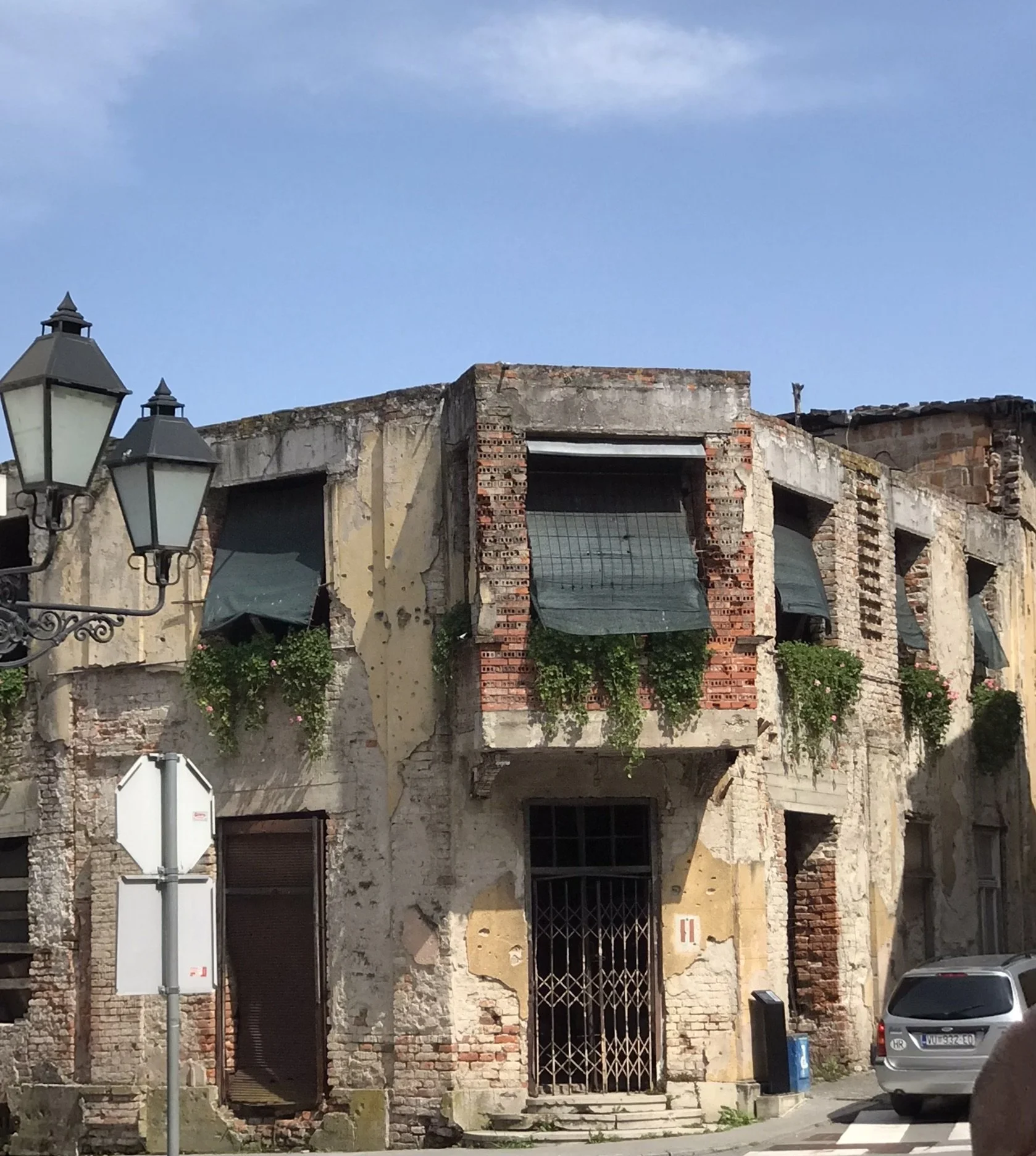
Romania was the answer I didn't know I was looking for. This is Europe that hasn't been polished for tourists — landscapes that feel genuinely wild, history that has left its mark on the landscapes and culture with forgotten buildings intertwined with modern structures, and a sense of discovery that feels completely different from Western Europe.
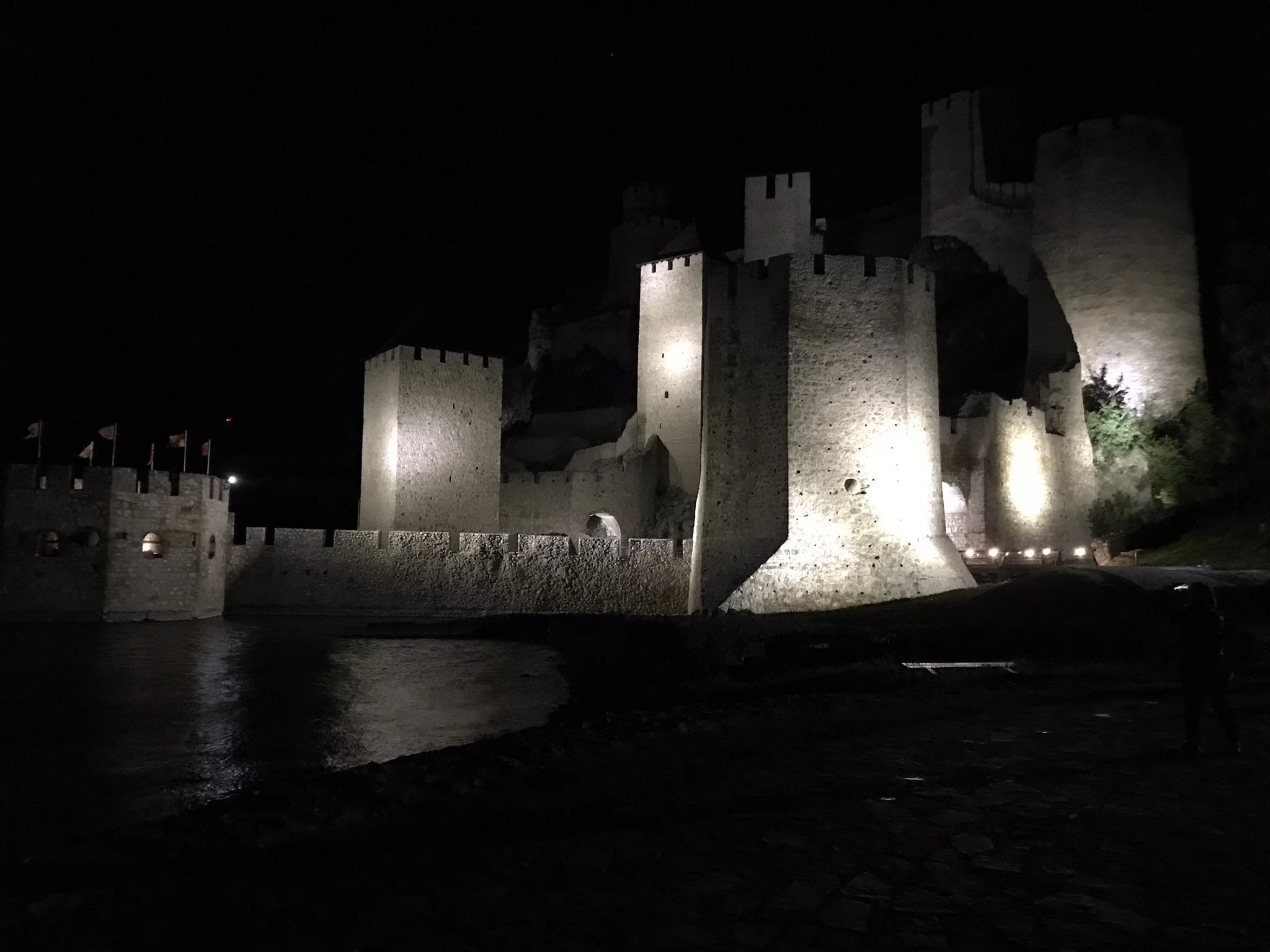
The scenery along the Romanian stretch of the Danube is dramatic in a way I hadn't anticipated. The Iron Gates gorge — where the river narrows between sheer rock walls marking the border between Romania and Serbia — is one of the most striking natural landscapes I've seen from a ship. There's a towering face of Decebalus, the Dacian king, carved into the rock face. It appeared around a bend without warning and left everyone speechless.
Beyond the gorge, the small riverside towns and villages feel like stepping into another era. The Orthodox monasteries in the surrounding region are extraordinarily beautiful, their painted exterior frescoes unlike anything in Western Europe. The history here — Ottoman, Byzantine, Roman — layers in ways that feel genuinely complex and rewarding to explore.
And the sense of being somewhere few travellers have ventured? That's increasingly rare, and genuinely special.
Beyond the River: A Region That Rewards Curiosity
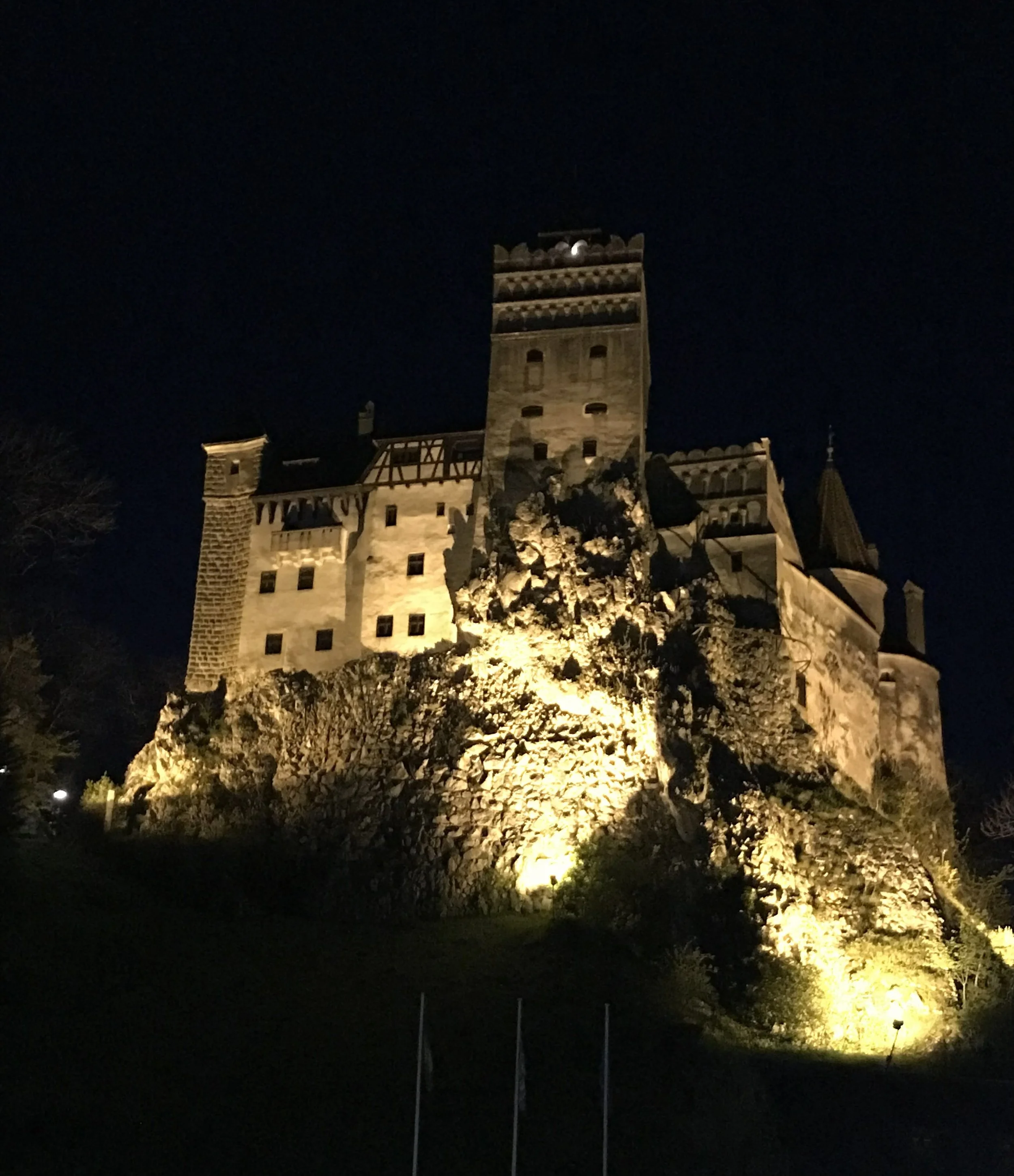
A pre-cruise extension added depth I hadn't anticipated. Bran Castle in Romania offered a private tour followed by an evening meal inside the castle itself — one of those rare travel experiences that feels genuinely exclusive, and one I'd love to help you recreate.
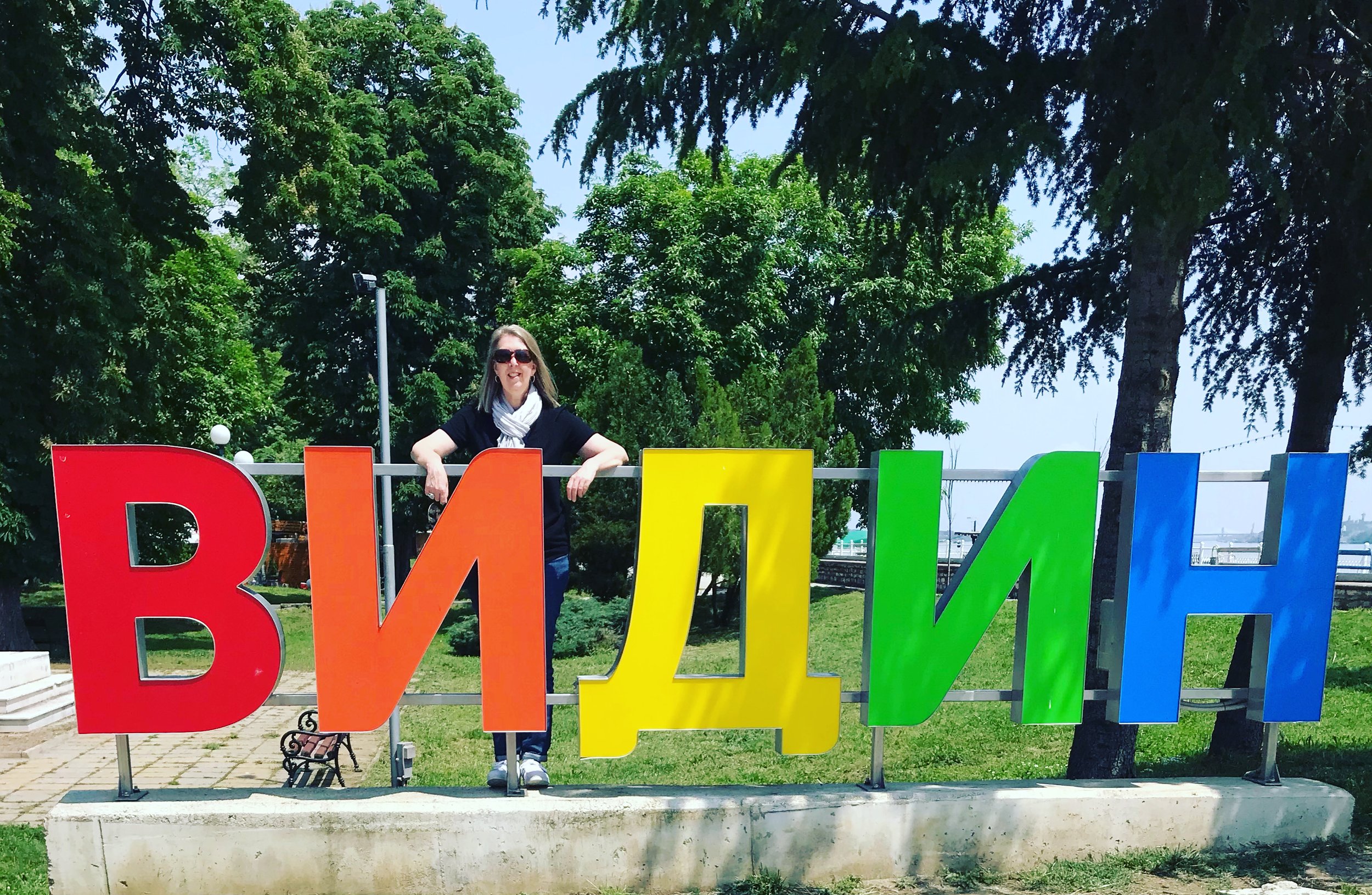
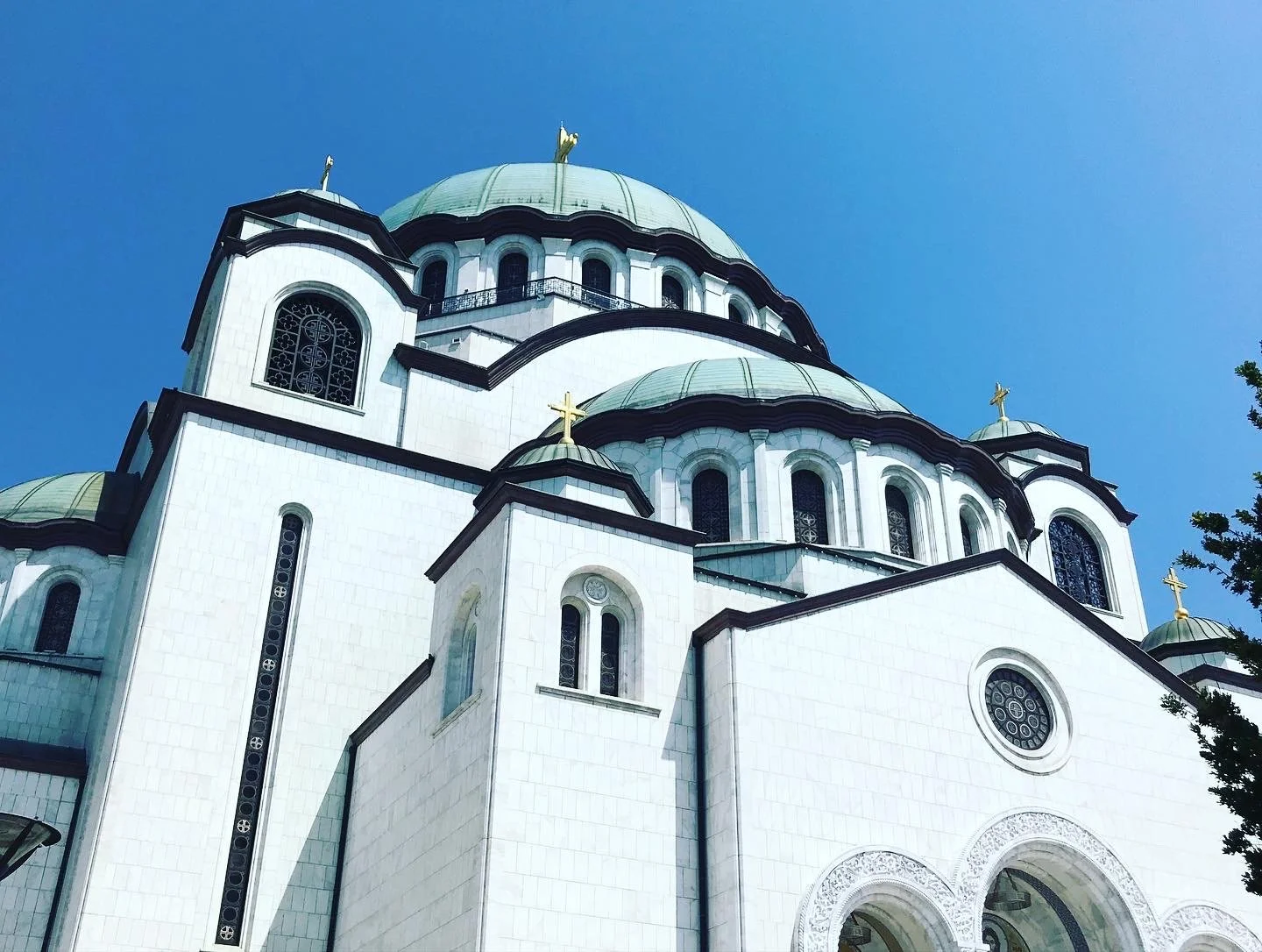
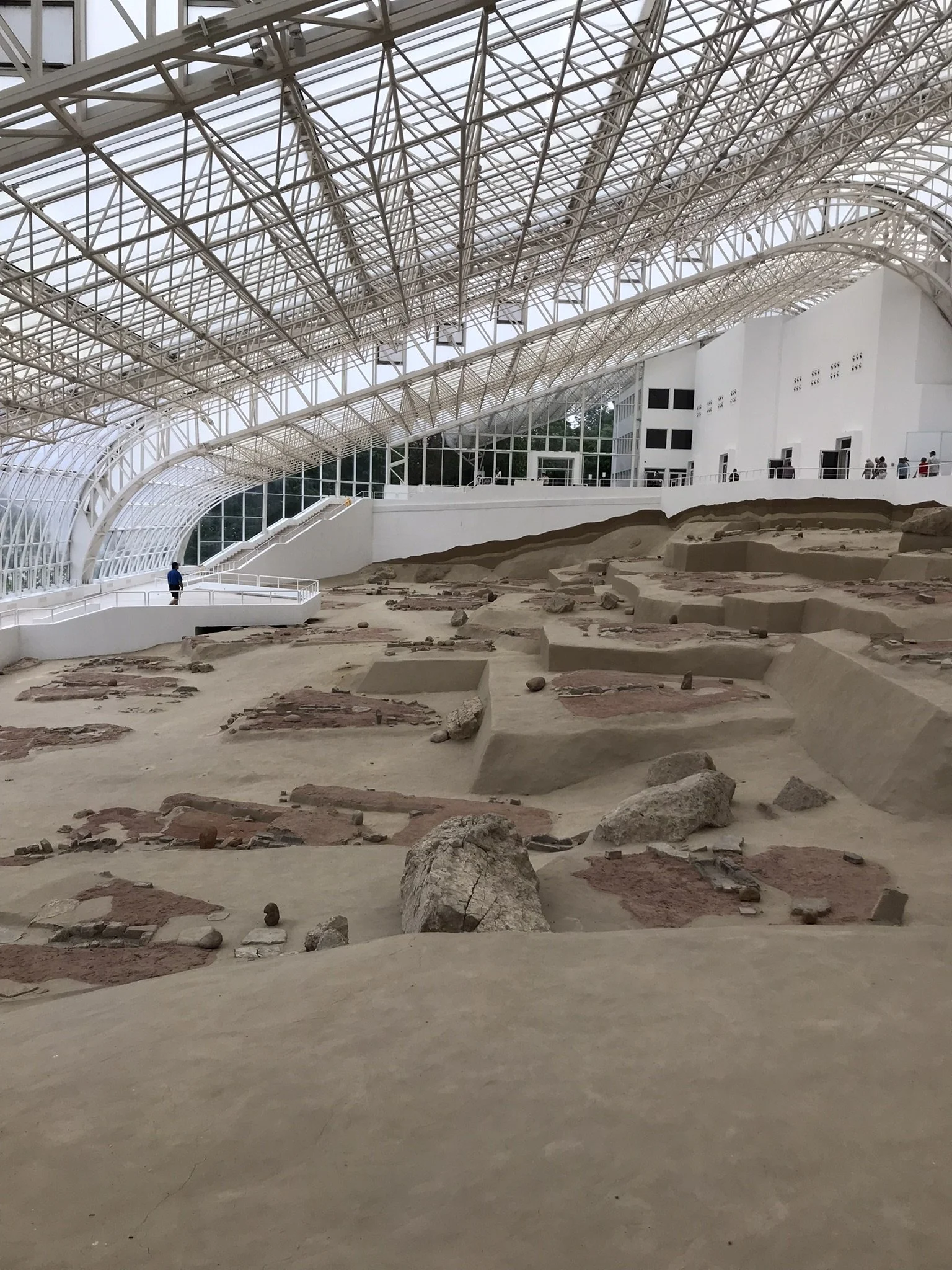
The ports that followed each offered something distinct. The archaeological site and fortress at Vidin. The medieval Bulgarian capital of Veliko Tarnovo, with the hilltop village of Arbanassi nearby — both steeped in a history most Western travellers have never encountered. A wine tasting in Ilok, Croatia, where the vineyards have an unexpected connection to the British Royal Family that made for a memorable afternoon. Belgrade, vivid and complicated. Towns along the route that still carry visible marks of more recent conflict — a sobering reminder that this part of Europe has a very different modern history from the Rhine.
And woven through all of it: the Ottoman, Byzantine, and Roman layers that accumulate the further east you travel, making every stop feel genuinely complex and rewarding to explore.
Budapest: A Grand Finale
Ending in Budapest after the quieter, more contemplative Lower Danube feels like a crescendo. The city is one of Europe's great capitals — the Parliament building lit at night from the river is one of those views that stays with you. After days of smaller towns and unspoiled landscapes, arriving into Budapest feels genuinely triumphant.
So Which River Should You Choose?
Here's how I'd frame it:
Choose the Rhine if:
This is your first river cruise and you want a classic, accessible European experience
Scenery and picture-perfect towns are your priority
You want well-known destinations that are easy to navigate independently
You're travelling in spring and want to time it for tulip season or Christmas markets
Choose the Danube if:
You've done Western Europe and want something that feels like genuine discovery
History, culture, and depth matter more to you than scenery alone
You're drawn to the road less travelled — places that feel authentic rather than curated
The idea of Romania, Serbia, or Bulgaria as destinations genuinely excites you
And if you can do both? Do both. They complement each other in a way that few back-to-back itineraries can. The Rhine gives you the European fairy tale. The Danube gives you something you'll still be thinking about years later.
A Note on Timing
Both rivers have distinct seasons worth considering. Spring on the Rhine — March through May — is exceptional, particularly if you can time it for tulip season in the Netherlands or cherry blossoms along the route. The Danube in late spring and early summer is ideal for the Lower route; temperatures are warm but not overwhelming, and the landscape is lush.
Autumn is a wonderful time on both rivers — the Rhine's wine country comes alive during harvest season, with Rüdesheim and the surrounding villages at their most festive, while the Danube's forested hillsides turn gold and amber in a way that makes the scenery even more dramatic.
Christmas markets in November and December transform both rivers entirely — the Rhine in particular is magical with markets in almost every port.
Frequently Asked Questions
Which river is better for a first-time river cruiser? While both work well for a first cruise, the Rhine is typically a first choice as it suits travellers drawn to castles, vineyards, and compact scenery.
Can I do the Rhine and the Danube on the same trip? Yes, and it's one of the more remarkable options in river cruising: some itineraries sail the full stretch from Romania to the Netherlands, crossing through 8 countries, or between Amsterdam and Budapest.
Which river has better scenery? They're different rather than better or worse: the Rhine is known for dramatic gorge scenery and hilltop castles, while the Danube offers wider views and passes through more grand historic capitals.
Planning Your European River Cruise
European river cruising looks straightforward from the outside, but there's a lot of nuance in choosing the right itinerary, the right timing, and the right ship for your travel style. Cabin categories, activity levels, solo supplements, excursion options — these vary significantly between lines and routes.
As a Virtuoso-affiliated travel advisor who has sailed both rivers, I can help you think through the options based on what actually matters to you — and make sure you have access to any exclusive perks and benefits along the way.
Curious which river — or which itinerary — might be right for you? Let's talk.
Related reading: Avalon Waterways Lower Danube River Cruise Review: Black Sea to Budapest
