
A lesser-known Danube itinerary — and what it's actually like.
The Upper Danube — Vienna, Bratislava, Budapest — is well-travelled and well-loved, and gets most of the attention when people start researching European river cruises.
The Lower Danube, from the Black Sea to Budapest, is a different journey entirely. I've sailed it, and it surprised me more than I expected — not because I came in with low expectations, but because this stretch of Europe — Romania, Bulgaria, Serbia, Croatia, Hungary — has a depth and character that's genuinely difficult to anticipate until you're there. It was the variety of experiences that were so fulfilling.
Here's what to know before you decide.
Why Start in Transylvania
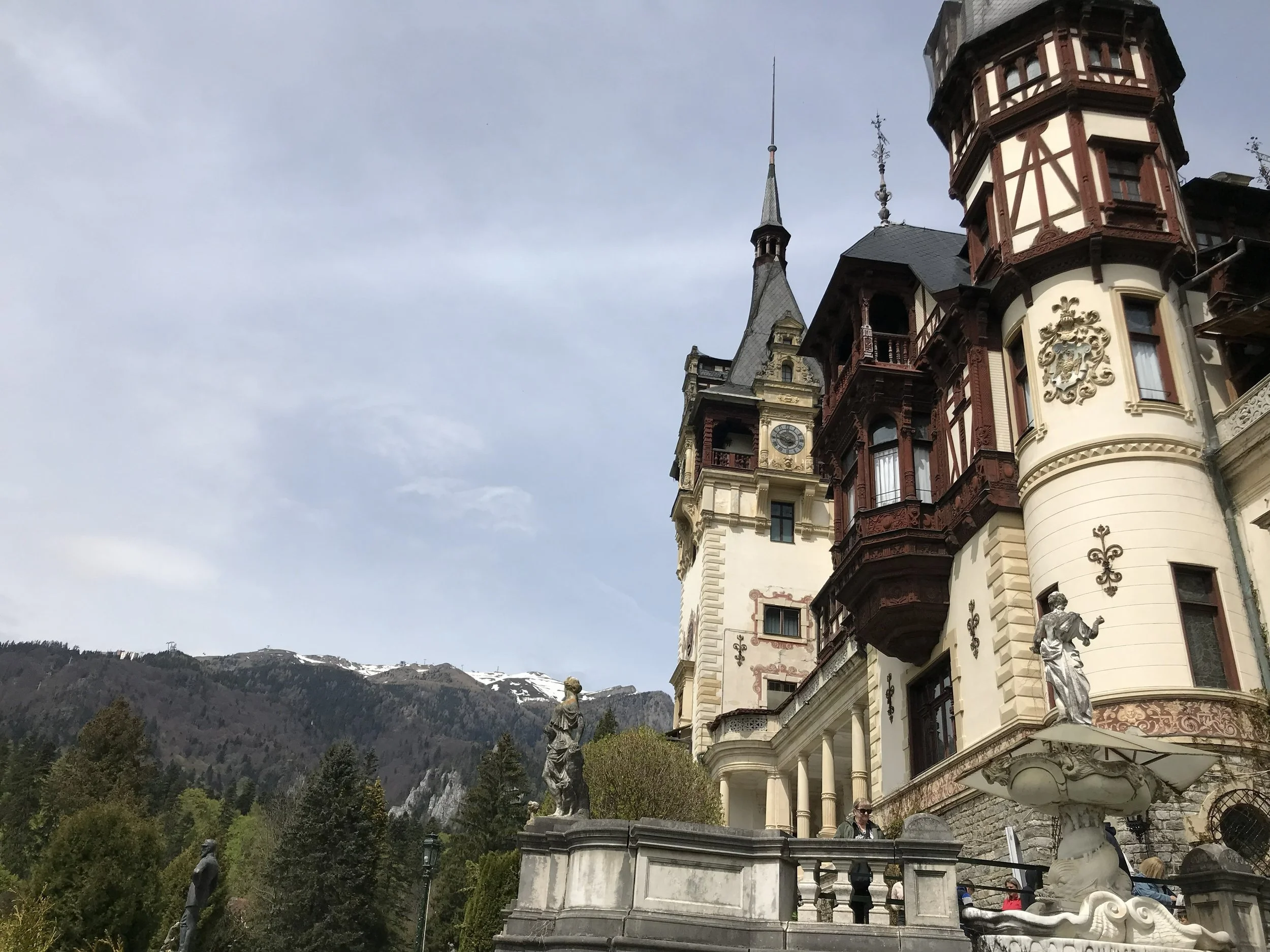
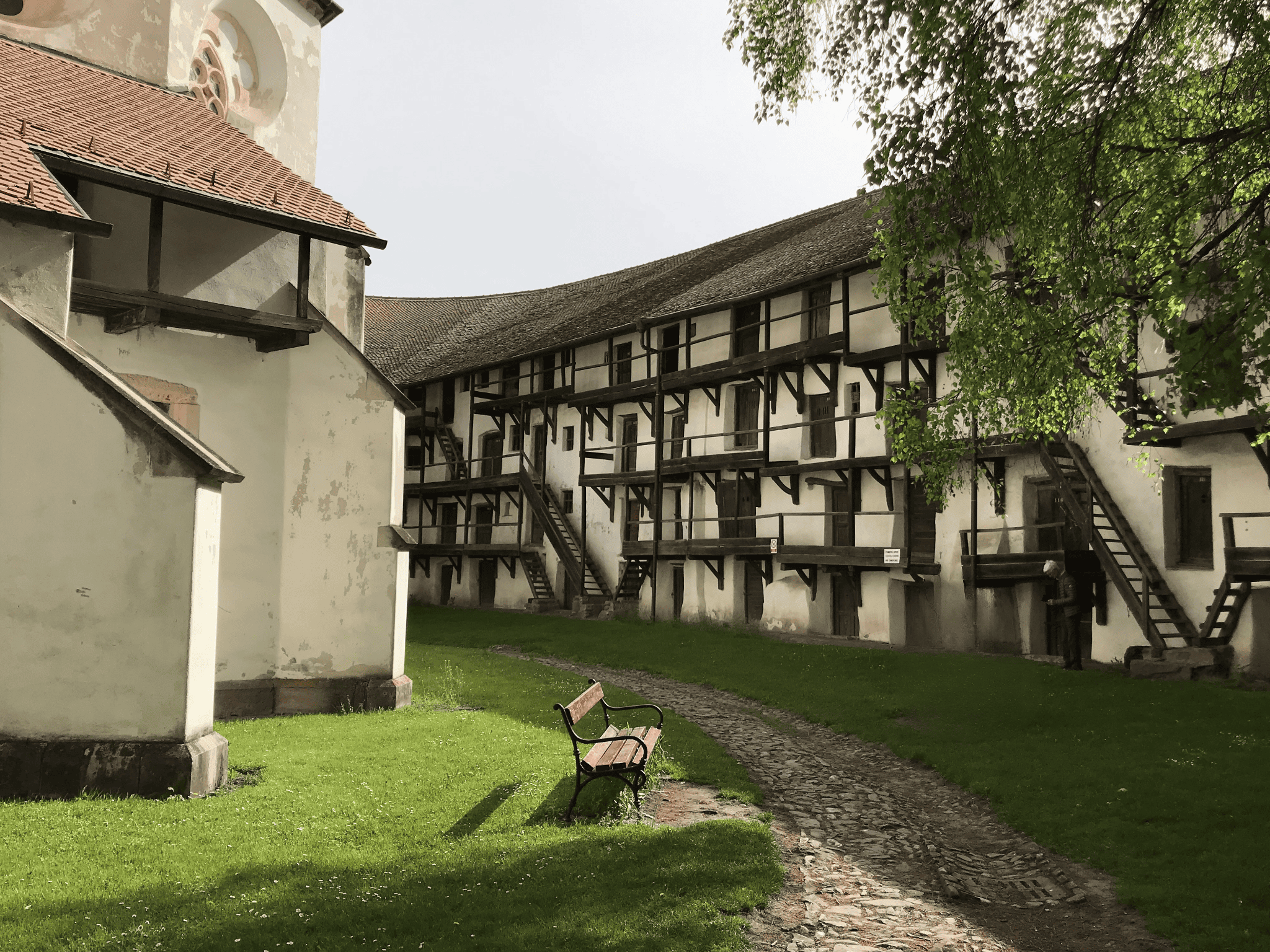
Most Lower Danube itineraries offer a pre-cruise land extension into Romania, and this one opens with two nights in Brașov — which means the Carpathian Mountains, Peleș Castle, and Bran Castle before you've even set foot on the ship. I'd strongly encourage you not to skip it.
The drive to the Carpathian foothills feels like winding through time zones — crumbling farmhouses abandoned during the Soviet era sitting alongside modern structures, the landscape shifting in ways that tell you immediately you're somewhere with a complicated recent history. Peleș Castle at Sinaia is one of the most impressive royal residences in Europe (it's stunning) — a neo-Renaissance palace commissioned by King Carol I in the 1870s, with hand-carved woodwork, Murano glass, and Flemish tapestries throughout — and it sees a fraction of the visitors of comparable palaces in France or Austria. That feels emblematic of this whole region.
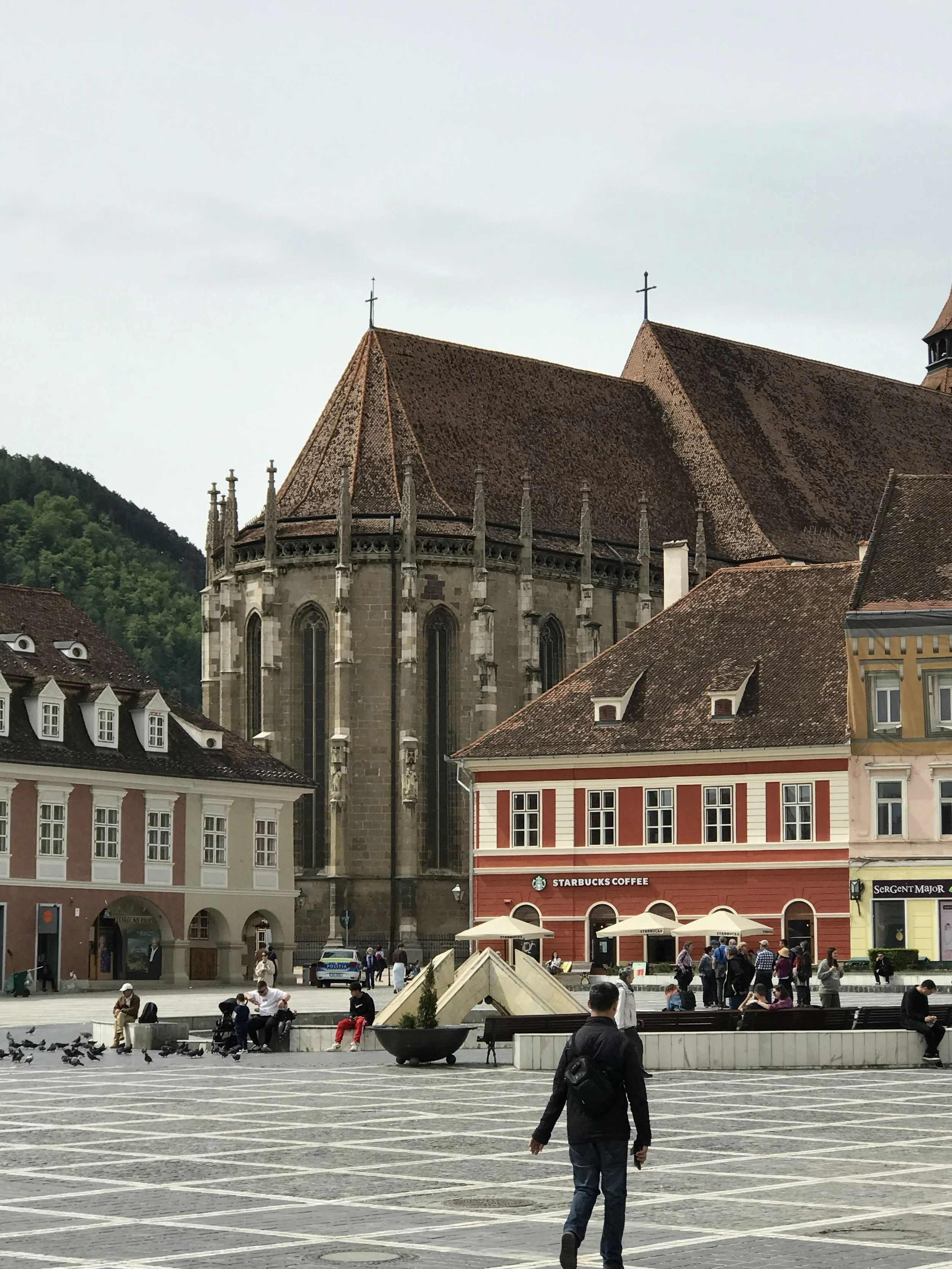
Brașov itself is the kind of medieval old town that makes you want to rearrange your schedule to stay longer. Compact, intact, and set against the mountains in a way that feels almost improbable. A morning guided tour is good, leaving plenty of free time afterward to explore this charming town.
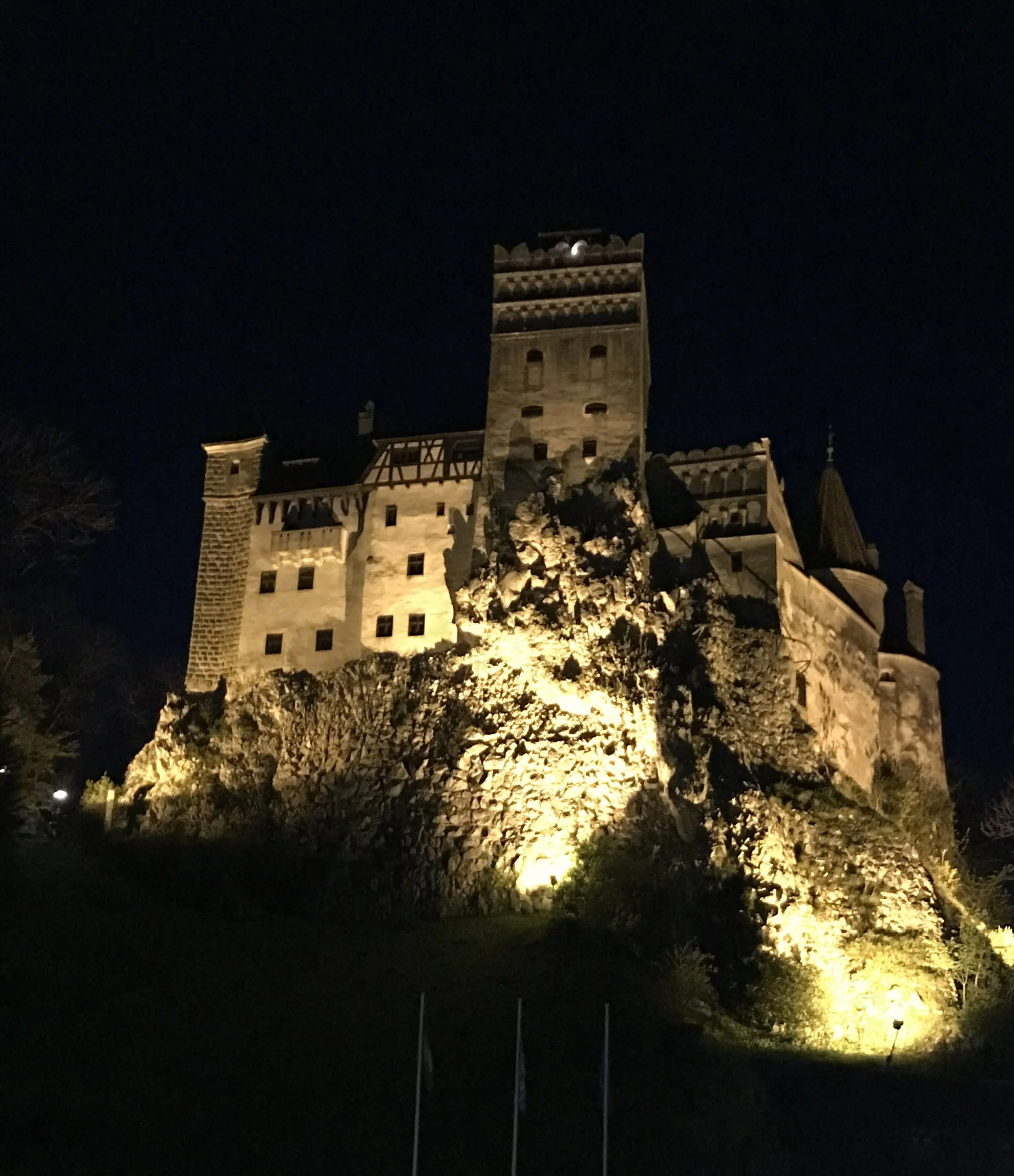
The evening at Bran Castle — the fortress associated with Dracula lore — is where the extension earns its place. We visited as a private group, which meant having the castle entirely to ourselves — no queues, no crowds, just the rooms and the atmosphere. It's a different experience from a daytime visit as the lights illuminate the castle against an inky nighttime sky. Dinner afterward was in the restaurant on the grounds, regional food done well: duck confit, local wine, the kind of meal that fits the setting without trying too hard.
The Black Sea Coast
The cruise portion begins in Bucharest — a capital city with wide boulevards, layered architecture, and a complicated modern history that's visible in the streetscape. Royal Palace Square, where the 1989 revolution that toppled Ceaușescu reached its turning point, is included on the guided tour before you board the ship. It's worth arriving a day early to explore independently if you can.
River conditions can affect what comes next — on our sailing, high water levels meant we couldn't sail as far as the Delta, so Constanța was a bus excursion instead. It turned out to be a very satisfying day. The guided commentary along the way covered the troubled recent history of the region and the construction of the canal — the kind of context that makes the landscape make sense. Constanța itself, Romania's most important port city on the Black Sea, has a Natural History and Archaeological Museum with extensive collections that present the region's layered history — Dacian, Roman, Byzantine, Ottoman. Standing on the Black Sea shore with that context fresh in mind gives the start of the journey a sense of place.
Romania and Bulgaria: Where the Itinerary Earns Its Reputation
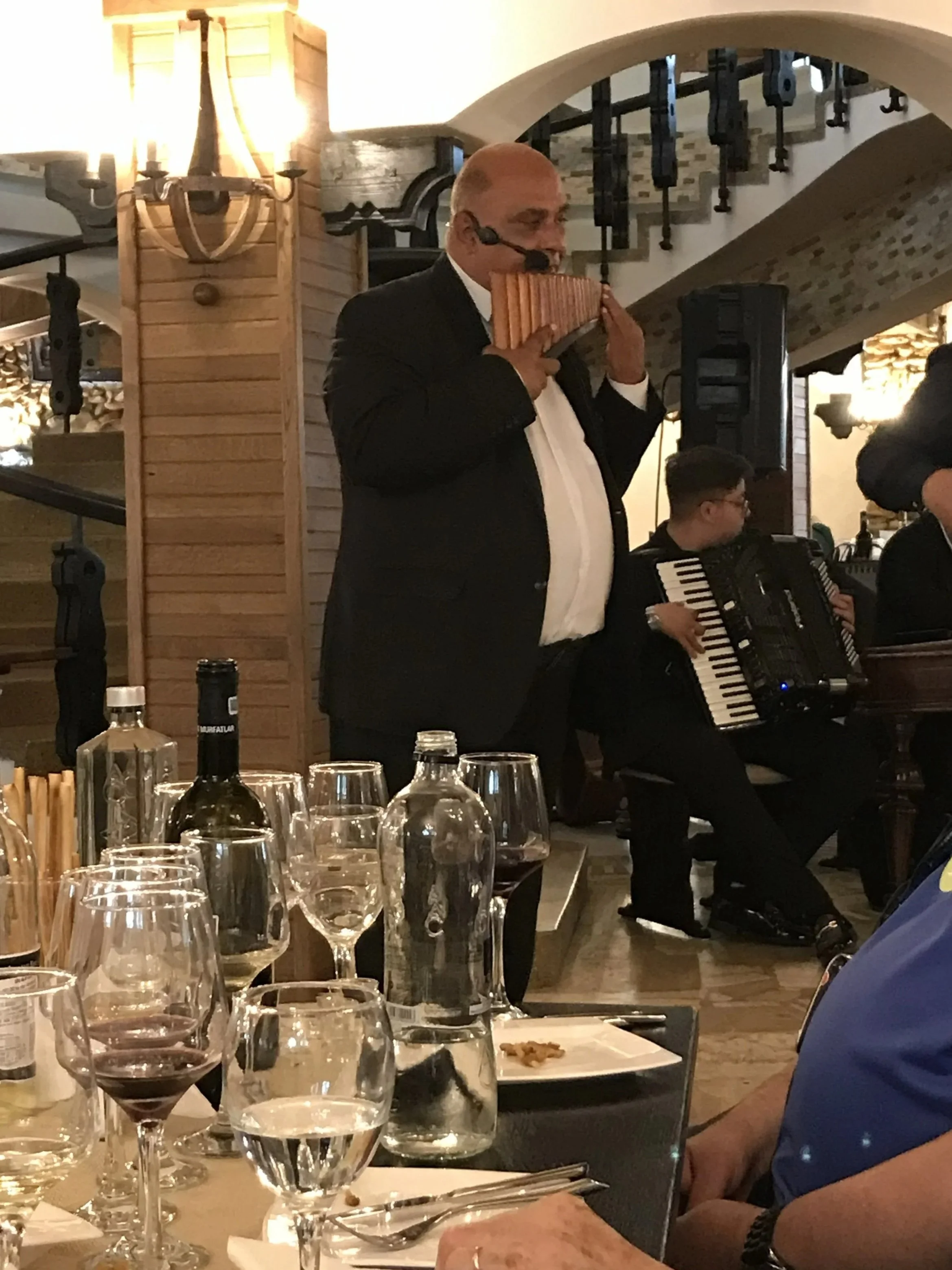
We enjoyed a winery visit where we were greeted with a local fruit brandy in the traditional welcome to guests, followed by a generous spread of food, a wine tasting, and live music. The visit itself was on the itinerary; how welcoming and extensive it turned out to be was not something we'd anticipated.
In Rousse, Bulgaria, we spent a relaxed morning strolling along the riverfront and settling into a café — the kind of unhurried time that river cruising does well and that's easy to undervalue until you're in it. Following Rousse, there's a full-day excursion to Veliko Târnovo and Arbanassi, and on our sailing we did both.
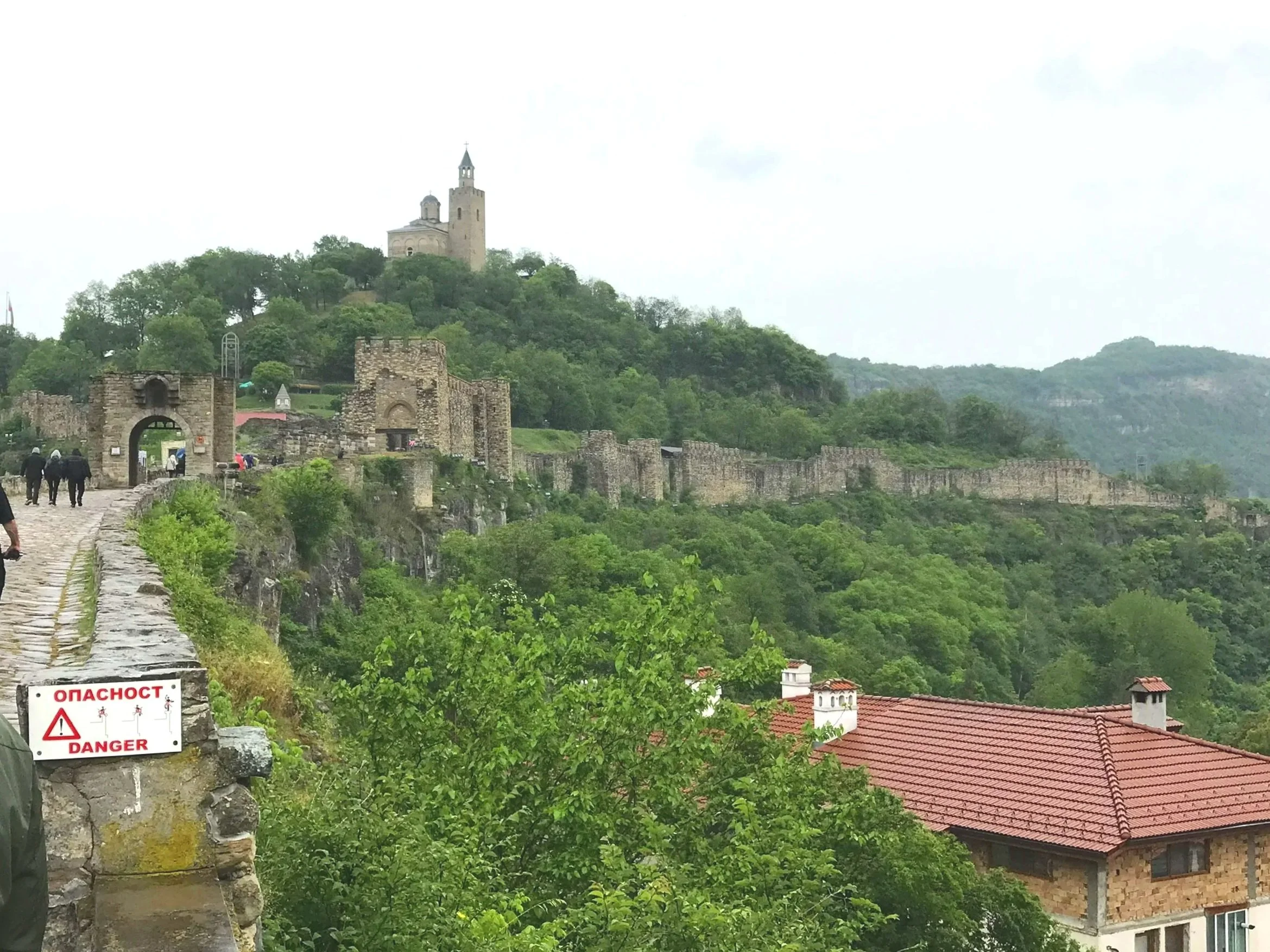
Veliko Târnovo, the medieval capital of the Second Bulgarian Empire, sits above the Yantra River with stone houses built into the cliffs. Getting up to the fortress involves cobblestone walkways that wind up the hill — rewarding, but worth knowing about if mobility is a consideration for anyone in your group. The nearby village of Arbanassi adds another layer — Bulgarian Revival architecture from the 15th century, largely intact. This region is known for its rose growing, and in season the scent carries on the air in a way that stays with you. It's one of those days where you come back to the ship a little quieter than you left it.
Vidin brings a different kind of stop: the rock formations at Belogradchik, on the slopes of the Balkan Mountains, sculpted by 200 million years of erosion, with a medieval fortress built directly into them.
The Iron Gates
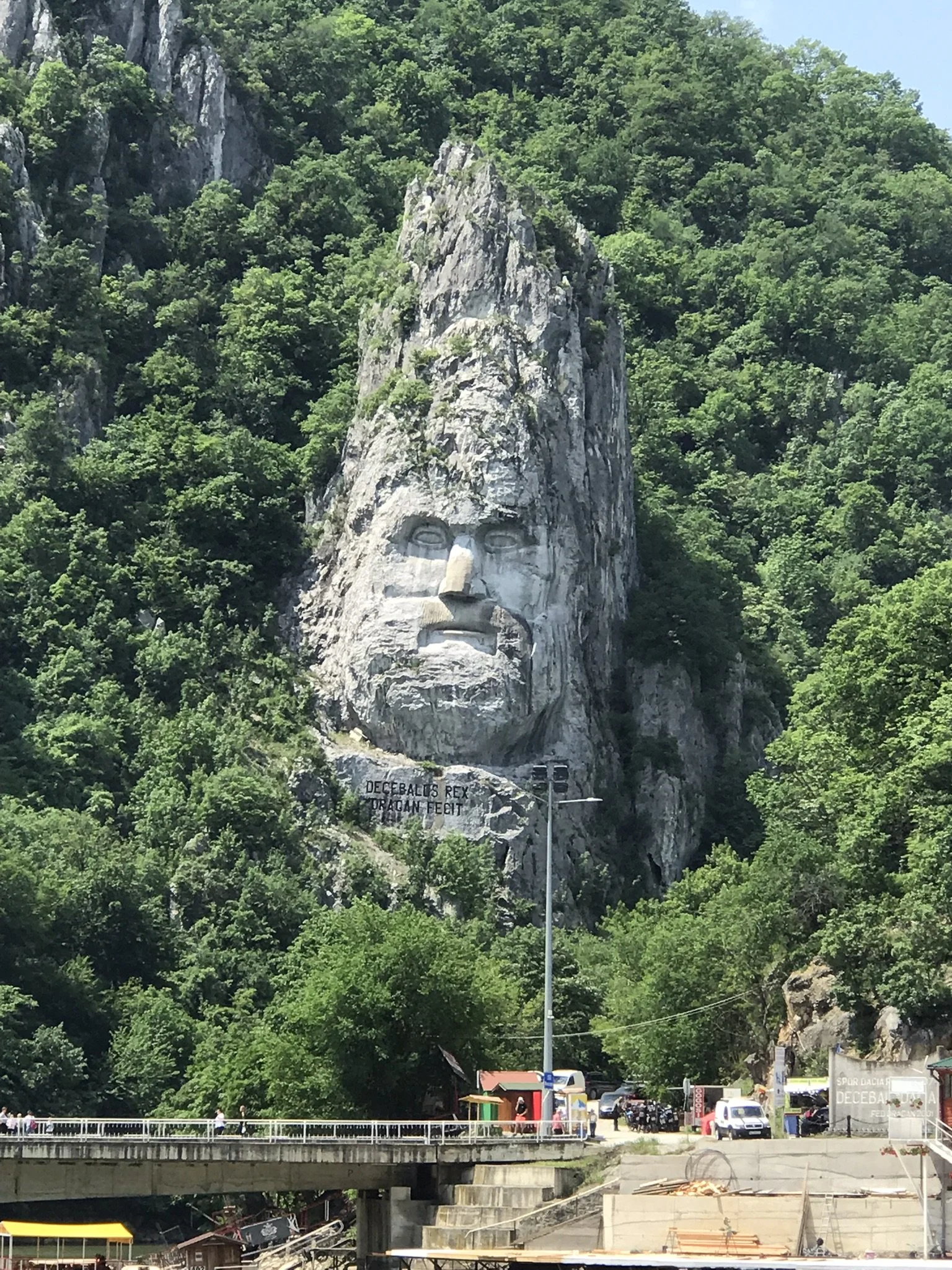
Sailing through the Iron Gates Gorge — where the Danube narrows between the cliffs of Serbia and Romania — is the visual highlight of this itinerary. The cliffs rise on both sides, the river narrows, and then around a bend the carved face of Decebalus appears in the rock: a 40-meter relief of the last Dacian king, completed in 2004. It's one of those things you don't quite expect, even when you know it's coming.
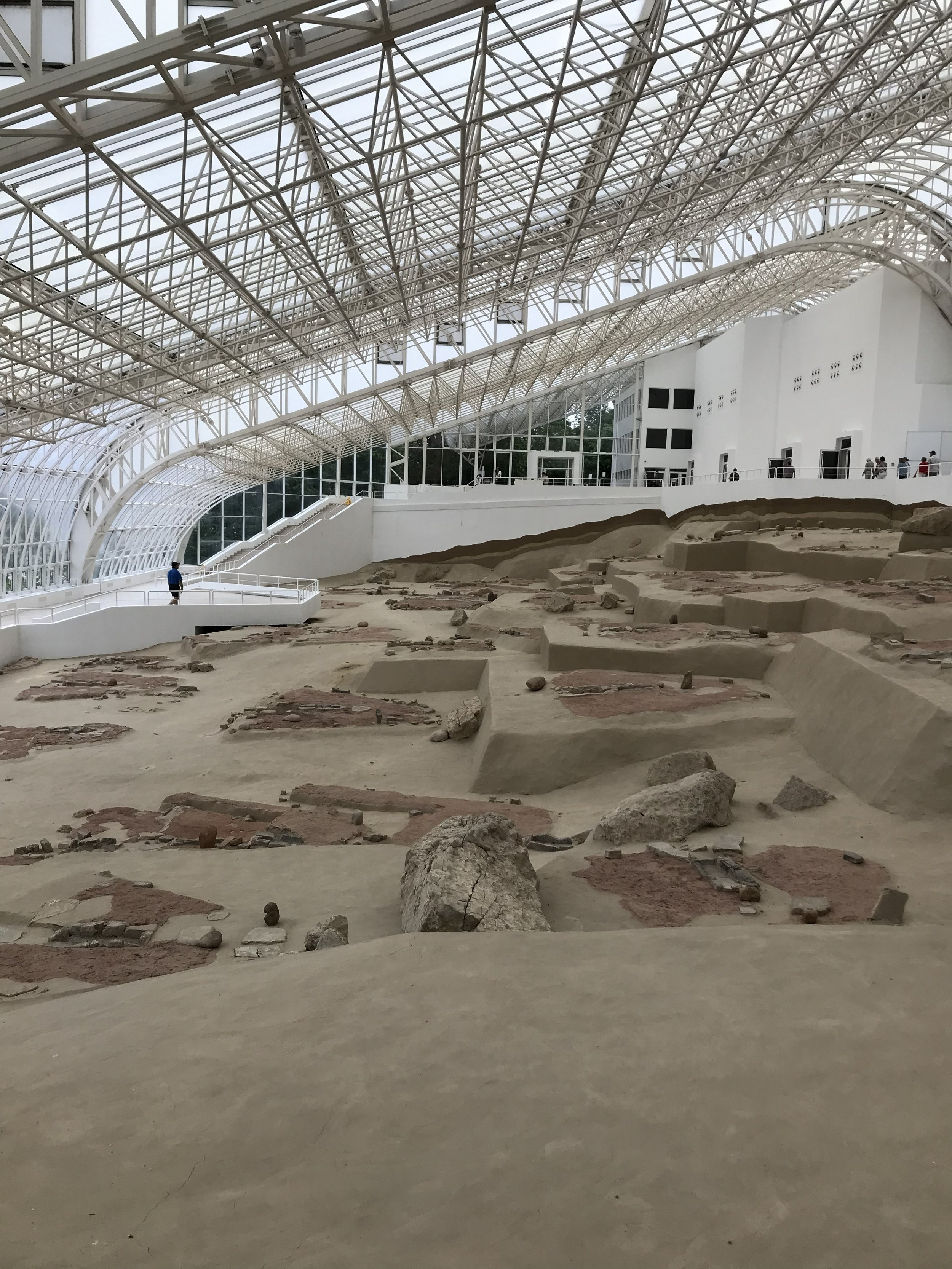
Just beyond, at Lepenski Vir, an archaeological site documents Mesolithic settlements dating back over 8,000 years — some of the earliest settled cultures in Europe, in a setting that puts the rest of the region's history in perspective.
The Fortress of Golubač, a brief sail further on, is one of the best-preserved medieval fortresses in Europe. The local guides here clearly love the material — the history of this site, contested between Serbia, the Habsburg Monarchy, and the Ottoman Empire across centuries, is told with real care.
Belgrade and Beyond
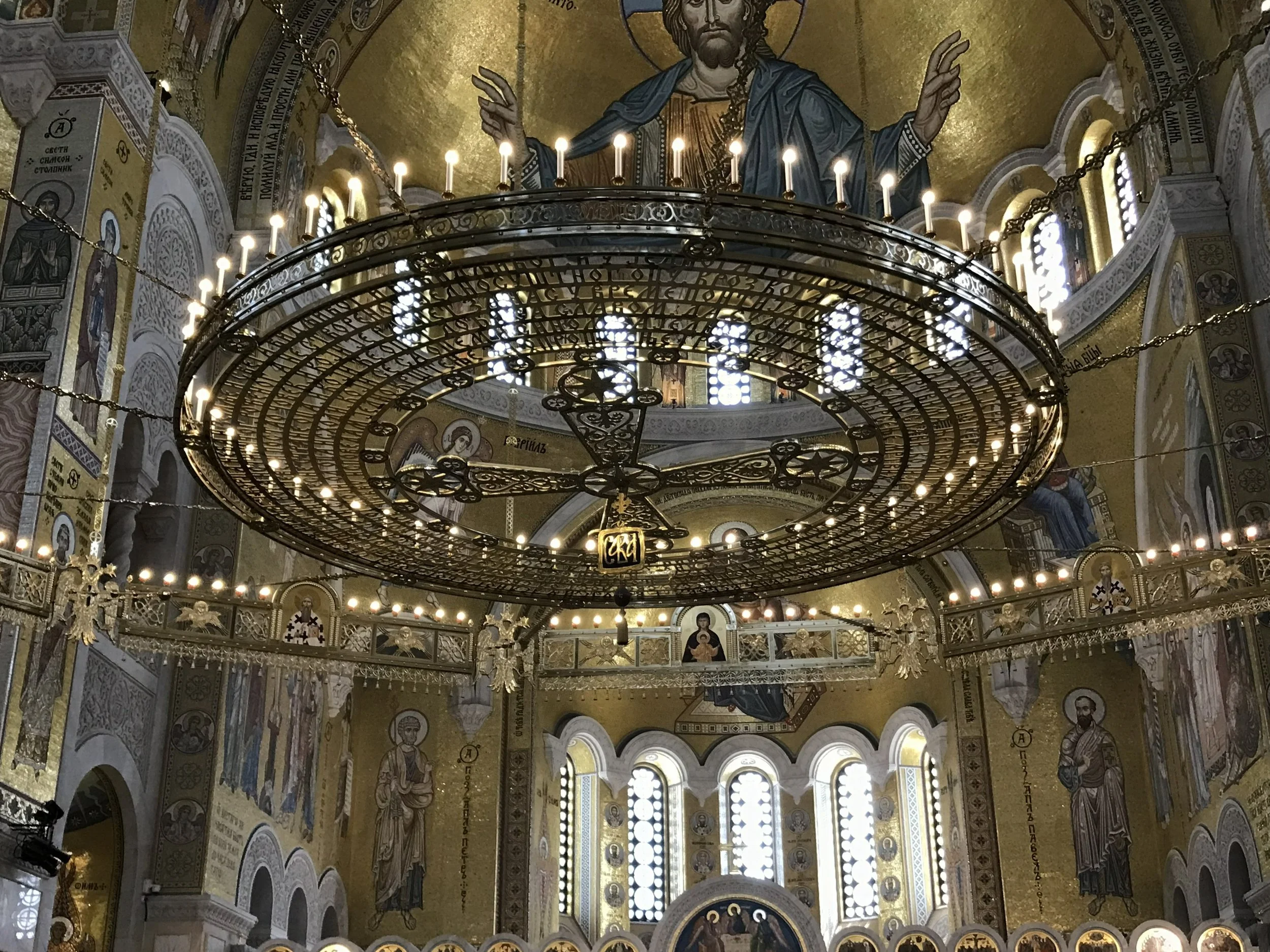
Belgrade is a capital city with a lot to offer in a short stop. The Saint Sava Cathedral, one of the world's largest Orthodox churches with its interior still being completed, is worth the visit. The Kalemegdan fortress, the confluence of the Danube and Sava, and Knez Mihailova Street are all within reach on foot. The itinerary generously allowed enough time to explore independently, and we stopped at a local café on the walk back to the ship. In the evening, there's a Discovery excursion to a local restaurant with live music — an optional add-on that's worth taking.
Novi Sad — Serbia's second city and a European Capital of Culture — offers a charming Austro-Hungarian old town worth a morning. A brief cruise continues to Ilok, Croatia, where a guided tour covers a medieval fortress and a winemaking tradition that has been continuously active for a thousand years. The connection between this vineyard and the British Royal Family makes for a memorable afternoon detail.
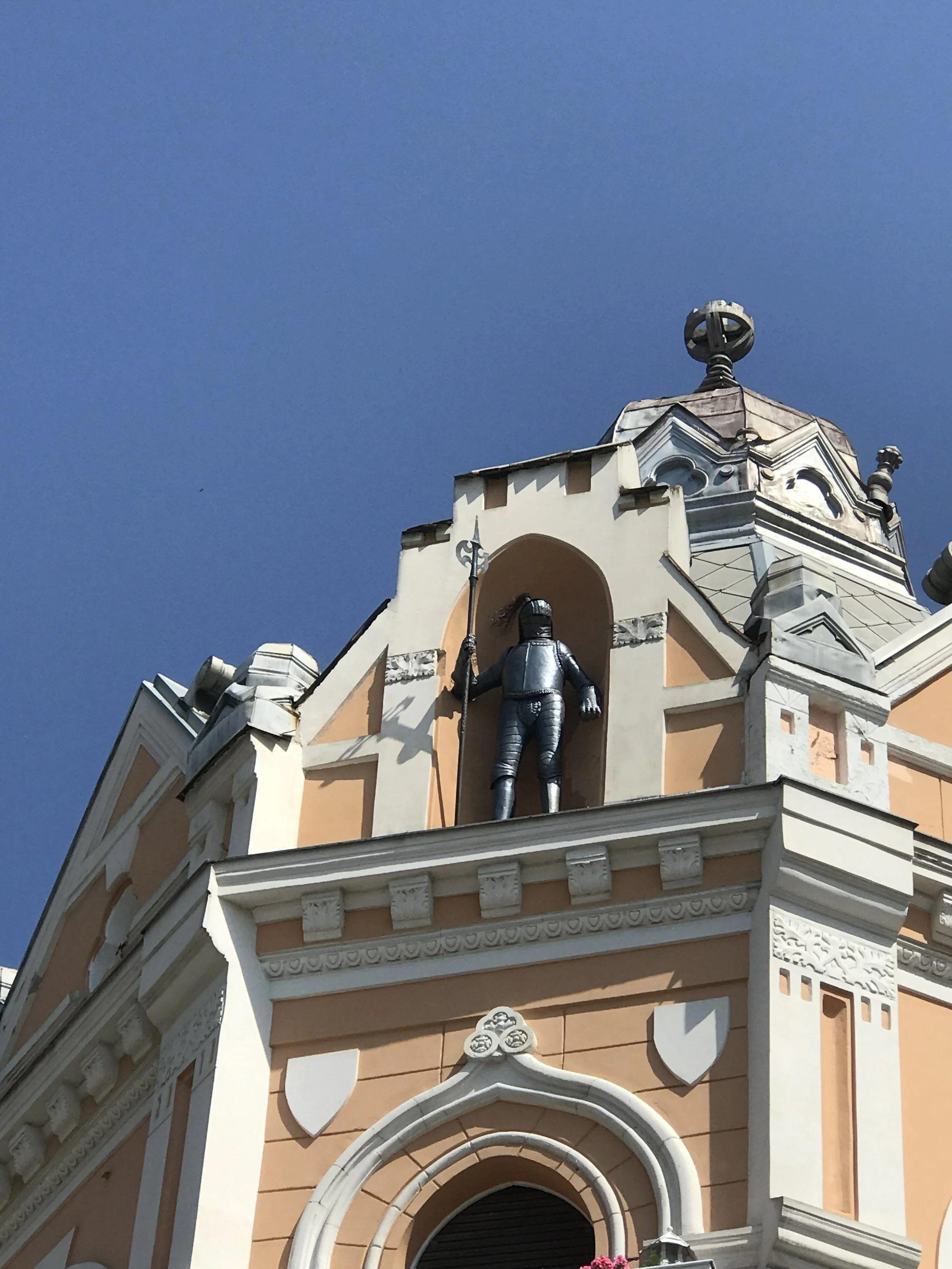
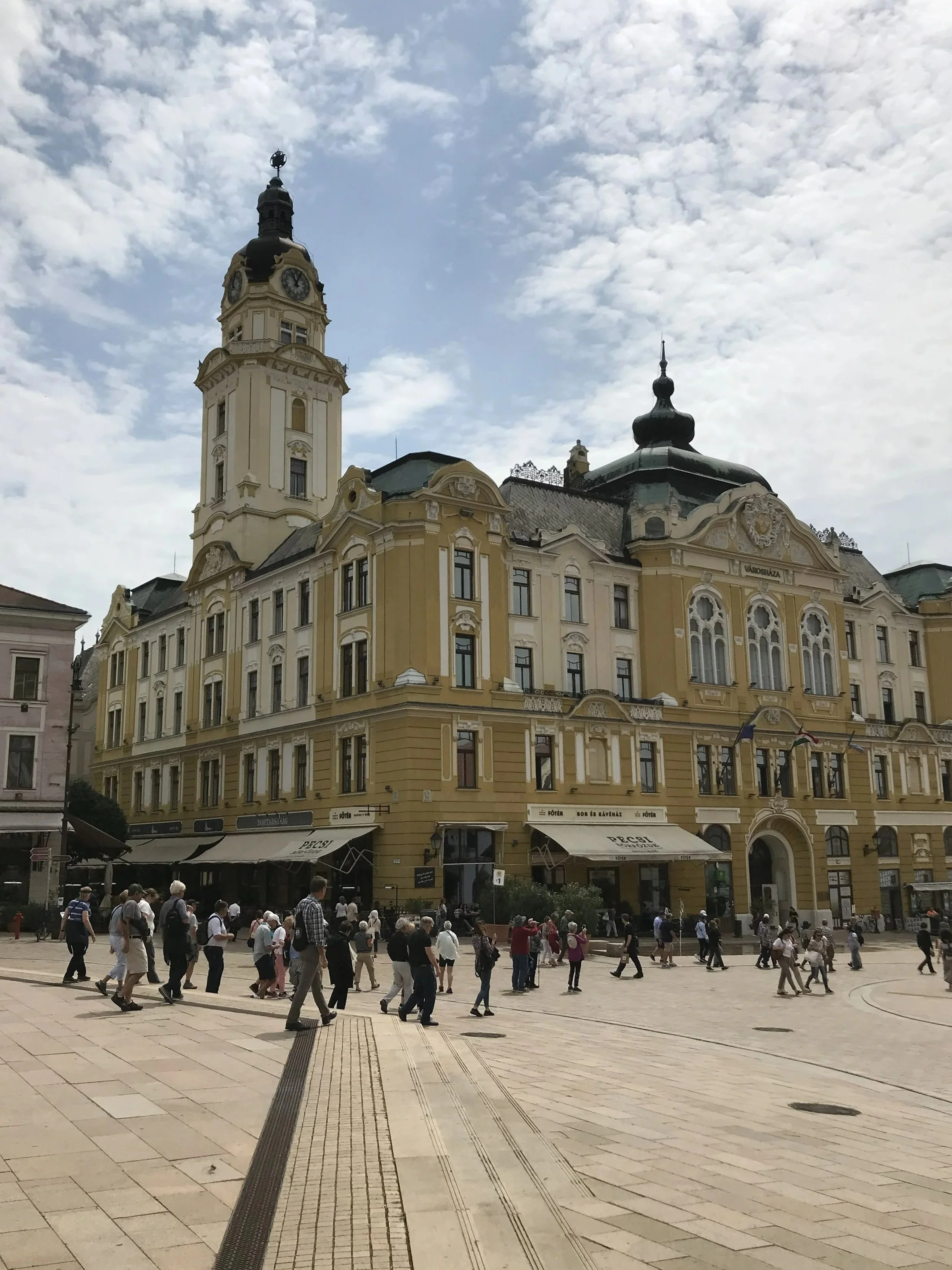
The final full day at Mohács offers a choice between the town itself — including the medieval St. Nicholas Watermill, one of the only remaining examples still performing traditional stone-ground grain processing — and an excursion to Pécs. I chose Pécs, and it's worth it: a genuinely pretty city, and the 4th-century Christian underground tombs (a UNESCO World Heritage Site) are fascinating. On our visit there was also an organ concert, which was an unexpected pleasure — though worth checking whether that's included on your specific sailing rather than counting on it.
Budapest
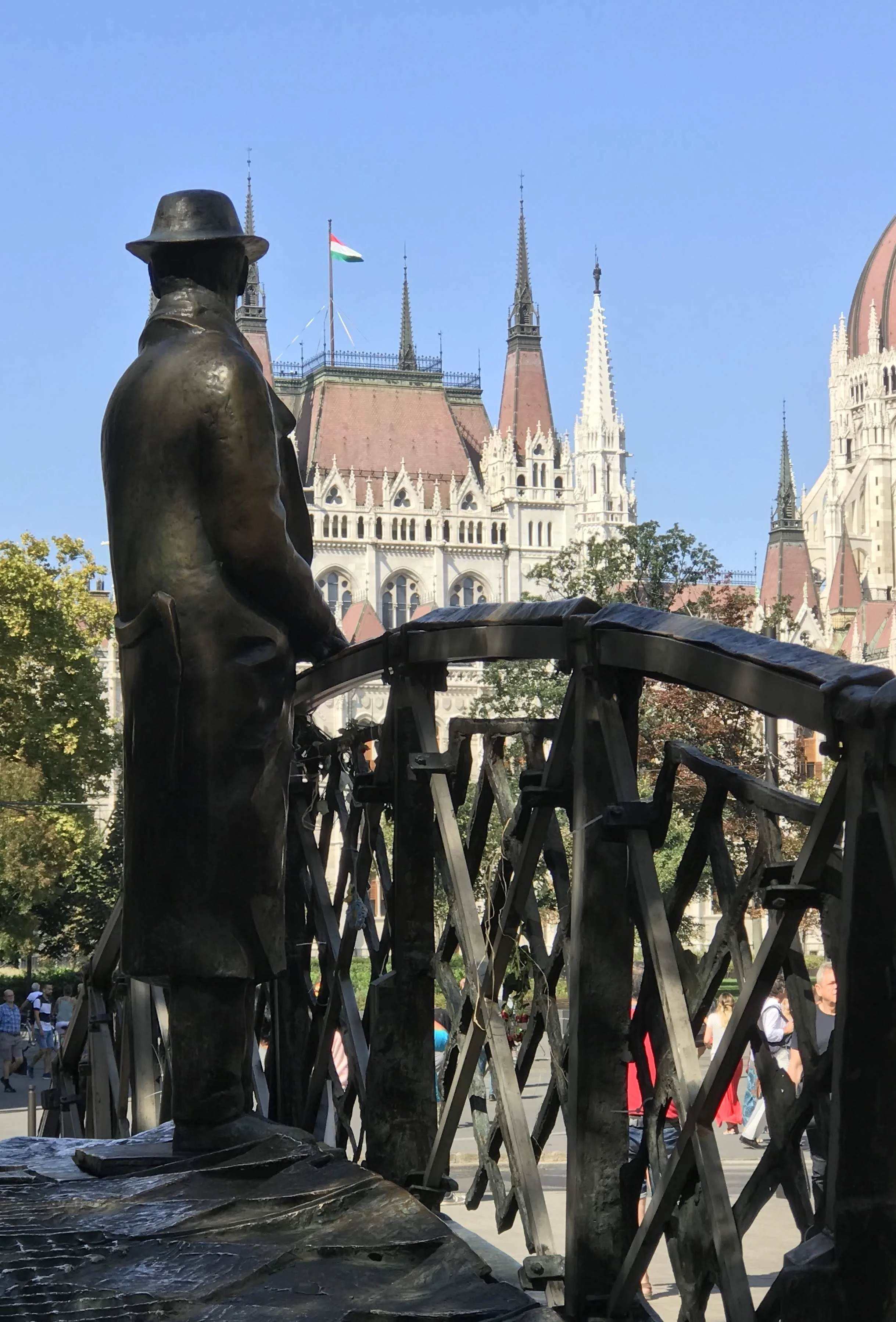
Budapest is a major European capital in its own right, and the itinerary does it justice — arriving by river, with the Parliament building coming into view as you approach, is one of the better ways to enter a city. It's also a natural place to extend your trip. A few days before or after the cruise — depending on whether you're doing the itinerary east-to-west or the reverse — gives you time to explore properly. The thermal baths, the ruin bars, the food scene, both sides of the river. It rewards more than a morning.
What Avalon Waterways Does Well Here
Avalon Waterway's excursion choice — with Classic, Active, and Discovery options in many ports — works particularly well on this route. The variety of destinations is wide enough that real flexibility each day matters, and the Active options (biking, walking) suit guests who want to stay physically engaged alongside those who prefer guided touring. With bikes onboard, some of the ports also lend themselves well to independent active exploration on two wheels.
The Suite Ship design, with wall-to-wall, floor-to-ceiling windows in every stateroom, pays off constantly on this itinerary. Waking up with the bed facing the window as the landscape drifts past is a genuinely lovely way to start a day on the river. One evening at dinner we watched a deer swimming across the river. It's that kind of trip.
Who Should Sail the Lower Danube
This is not the cruise for someone who wants reassuringly familiar Europe. It's the cruise for someone who has been to Western Europe and is ready for something that asks more of them — and returns considerably more in kind. If you're still deciding between rivers, this comparison might help.
Choose the Lower Danube if:
You've sailed the Rhine or Upper Danube and want the next thing
History and culture matter more to you than scenery alone — though there's plenty of that too
You're drawn to Eastern Europe — Romania, Bulgaria, Serbia — and want to spend real time there
You're looking for an itinerary that feels genuinely off the beaten path
It may not be the right fit if:
This is your first river cruise and you want the familiarity of well-known destinations
You prefer cities and towns with established tourist infrastructure
The Eastern European focus doesn't resonate with where you are in your travels
The clients I've sent on this itinerary always come back full of stories about their experiences.
A Note on Timing
We visited in late spring, when the flowers had started to bloom, temperatures were comfortable, and the storks had returned to nest — dotting the chimneys in the countryside all along the route.
Planning This Itinerary
The Lower Danube is not an itinerary where all river cruise lines are created equal. The pre-cruise extension, the shore excursion options, the ship design, and the onboard programming vary in ways that matter. I loved this itinerary and find it genuinely rewarding to help clients discover what a beautiful and memorable experience this part of the world can be. As a Virtuoso-affiliated travel advisor who has sailed this route, I can help you think through the options based on what actually matters to you — and make sure you have access to any exclusive benefits along the way.
Curious whether the Lower Danube is the right fit? Let's talk.
Related reading: Rhine vs. Danube: Two Rivers, Two Completely Different Experiences
